The efficacy of any AID (Automated Insulin Delivery) device is directly proportional to the amount of insulin it provides in relation to your needs, and everybody’s needs are slightly different. To ensure safety the native AAPS loop only administers 50% of the calculated insulin requirement per loop cycle. This limitation can be overcome by using one of the branches I mention below, or by profile switching, using temp targets and automations.
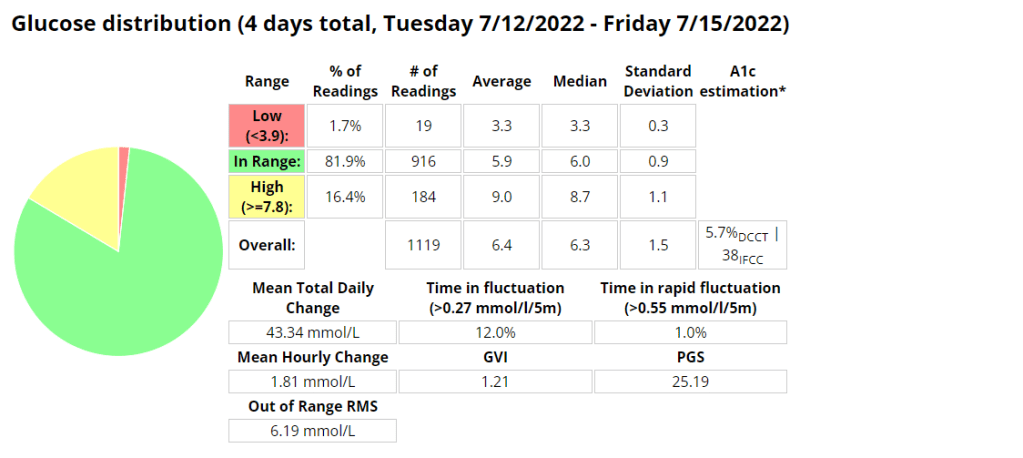
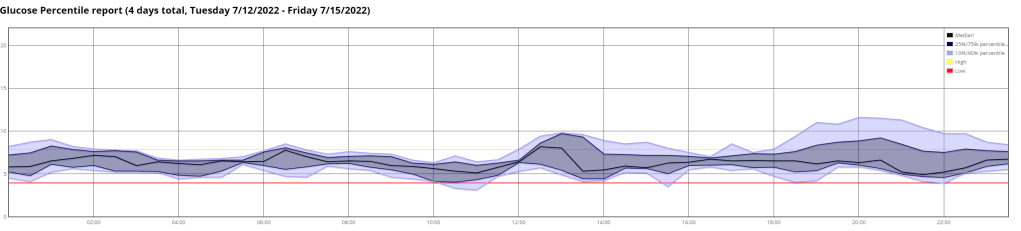
AIMI
Pros:
- A ton of unique features seen nowhere else (dynamic SMBRatio, DIA change for every SMB or Bolus, if TIR above 180 during the last two hours and up of 30 % the profile during the next hour if it’s still the case,if the TIR below 75 one hour before and reduce the profile during the next hour,calculation to propose one basal value for the day,A new function is working, after the manual bolus > iTime_starting_bolus, AIMI will force the basal 500% during the next 20 minutes.)
- Frequent updates
- A lot of collaboration with the diabetic community.
Cons
- The DEV branch takes much longer to calculate cob using my KK mini 2. This can result in periods where I think insulin may be delivered later than preferred.
- The battery life of your loop device is significantly impacted due to multiple calculations.
- Watch seems to be less stable with more periods of stale data
- More frequent pump disconnects.
Thoughts: I don’t think I gave this a fair go. I should have adjusted to use less insulin. I think this is more suitable to people using UAM.
BOOST
Pros:
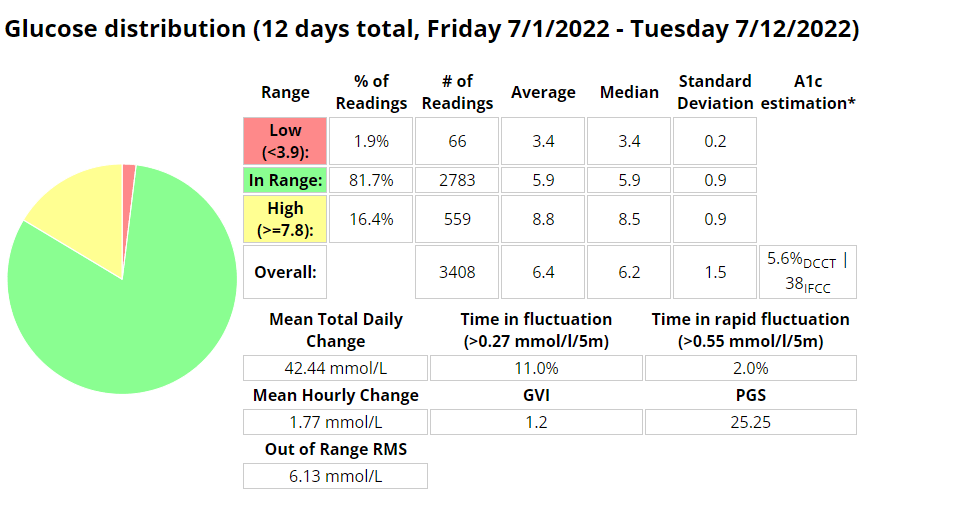
- Best control I have ever had
- Adjustable and scalable insulin required percent (SMBRatio). example. You can set Boost to provide 75% of the required insulin %, but if the glucose deltas are greater that percentage can increase to a maximum of 150%.
- The setup process is straight forward.
Cons:
- Less frequent updates
Thoughts: Suitable for people who enter carbs or who use UAM. Works well with Dash pods.

Eating Now
Pro:
- Frequent updates
- A lot of unique features seen nowhere else (too many to mention here, read the docs)
- Excellent documentation
- The reasons (device status) behind why the system is adjusted are well documented and clear in the loop status and the documentation.
- Lots of safety functions in the code.
Con:
- You can adjust insulin required percentage but its (as far as I am aware) a static value.
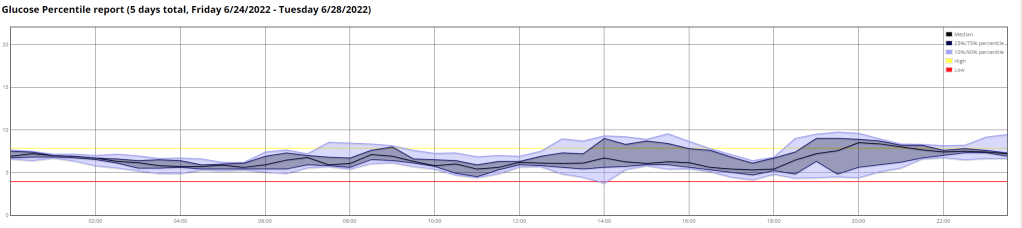
Thoughts: Works extremely well when entering carbs and pre-bolusing.






 Dick The Diabetic's APS Adventures