Analysing exercise data for 2024

Disclaimer: The information contained within this blog post are my thoughts and do not constitute medical advice. Please consult your medical team before making any changes to your diet or blood sugar management program.

I decided to get an analogue bicycle and I have loved the challenge of riding it. I had a terrible GC half marathon (GCHM), complete with muscle spasms, but I finished so that was nice. The training for the GCHM was amazing and I got to run in some pretty interesting places, like the NSW rail trail in Casino.

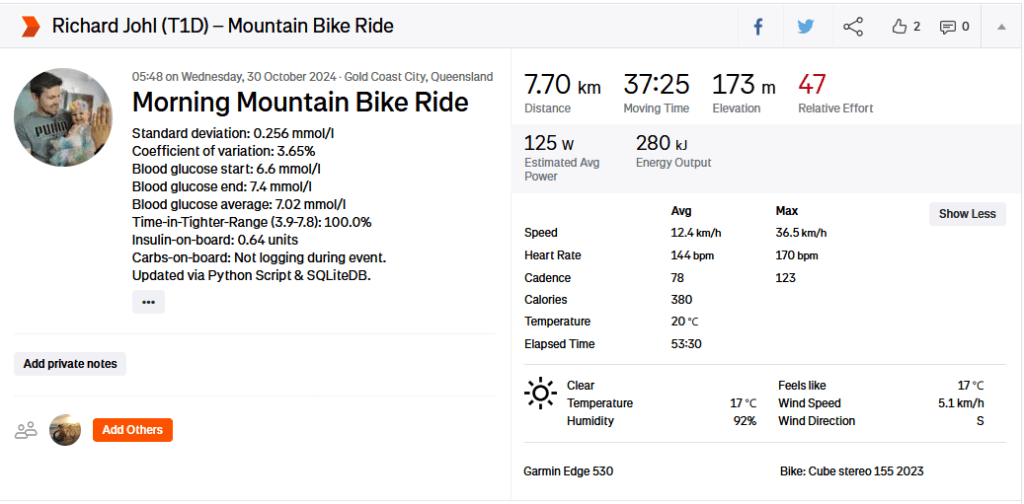
I have developed a host of new features for my Diabetes Analysis Tool, including an integration into Strava, where I update my exercise description with my exercise stats.

Physiological Metrics

I am currently on an average of 42.9 units per day and an average of 150g of carbs per day. These carbs include carbs from fat and protein (gluconeogenesis).

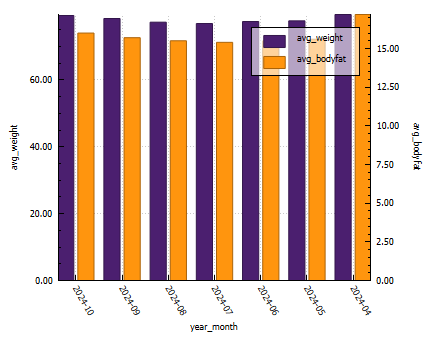
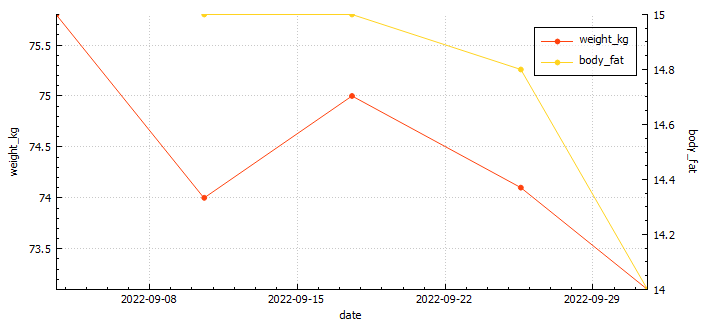
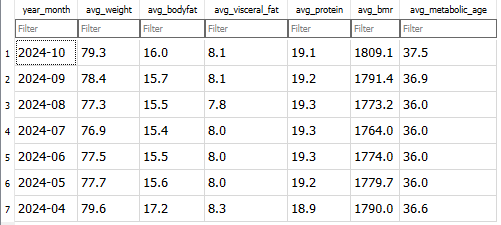
You can see from the graph below that my weight has fluctuated quite a bit this year, with poor eating habits (snacking at night) the biggest contributor to a lower time in range. My lowest bodyfat was 15% (confirmed by 3rd party testing). This dramatic weight shift was due to training for the GCHM.

Extract from the Renpho smart scale imported for Analysis.
Weight and Bodyfat graph exported from Diabetic Analysis Tool.

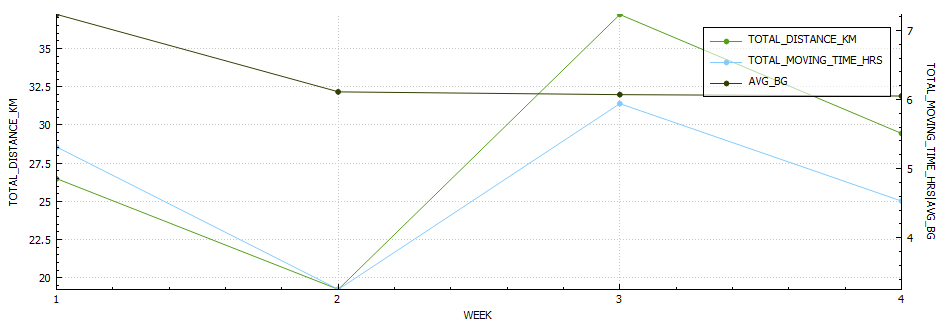
Exercise metrics

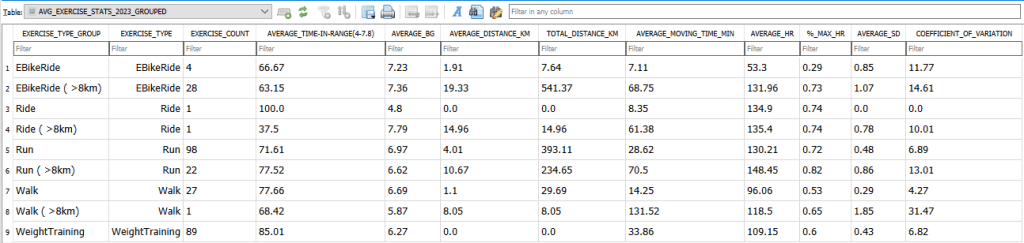
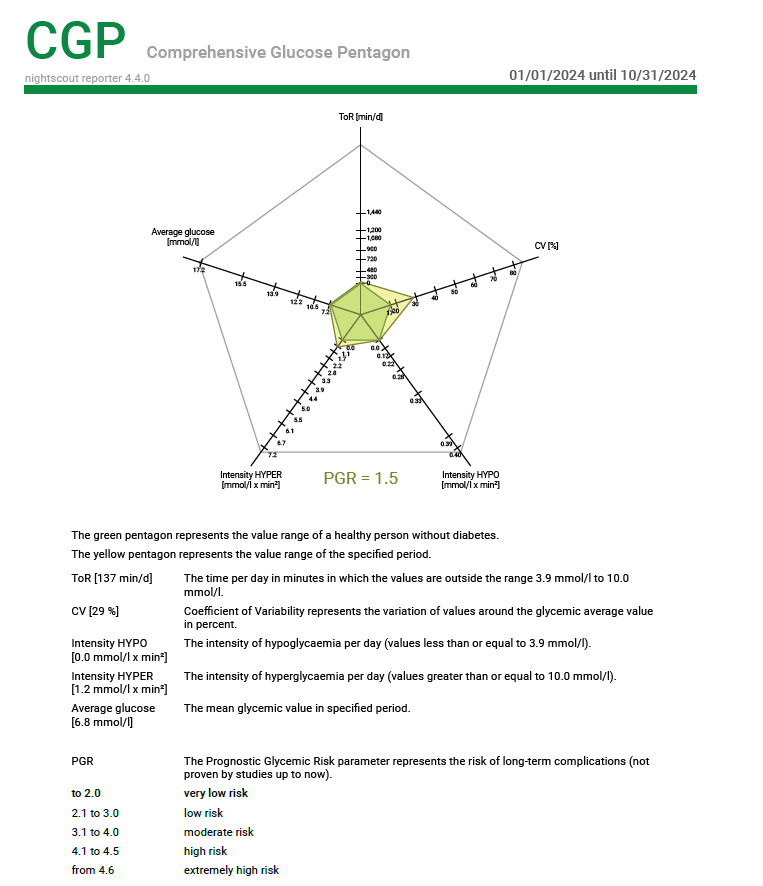
Every year I try to increase my distances and time in range (TIR). This year I increased my TIR by 2%, which is incredible. Although my CV and SD are lower, average glucose is down 0.06 mmol/l. I attribute this to lower insulin closer to exercise time, and refuelling at appropriate time intervals.

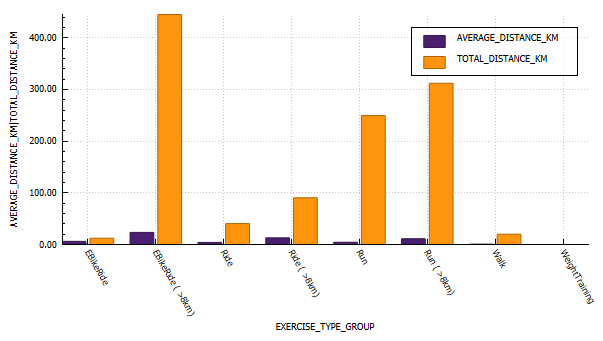
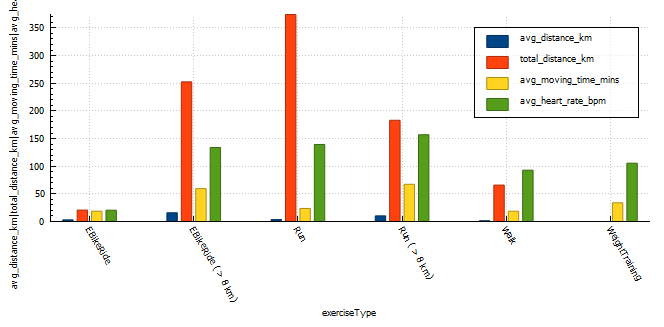
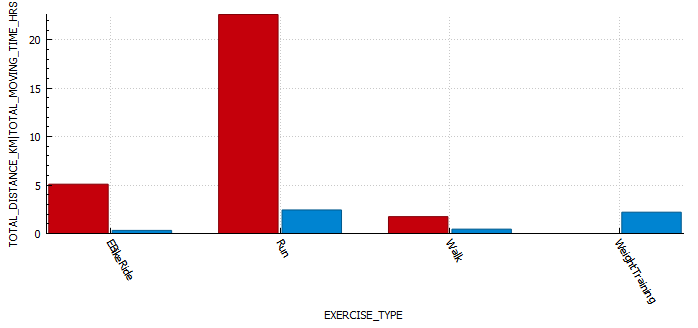
Annual view of exercise stats
2024 exercise stats (grouped by distance)
2023 exercise stats (grouped by distance)

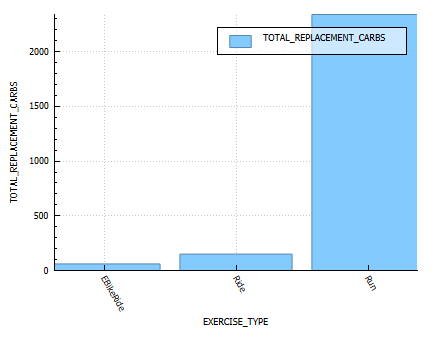
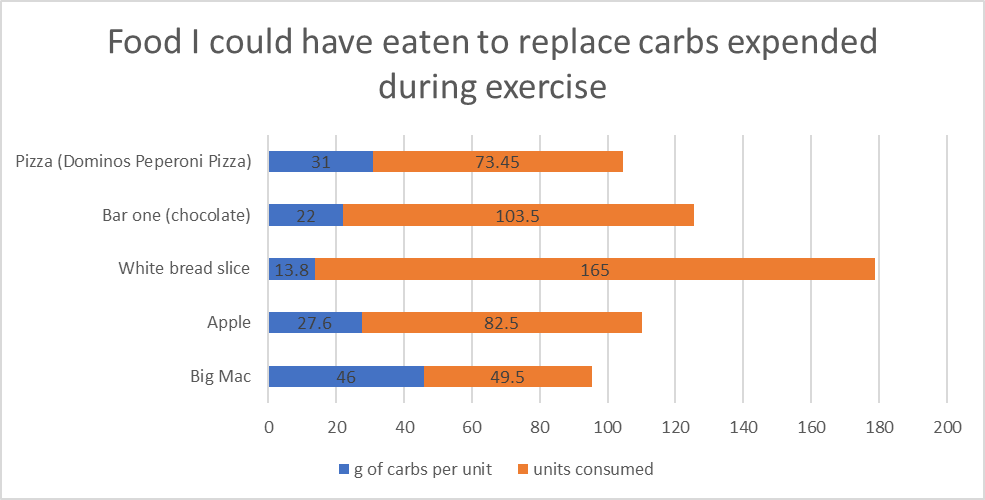
Energy Burn Rates

A table of the estimated energy replacement carbs consumed.

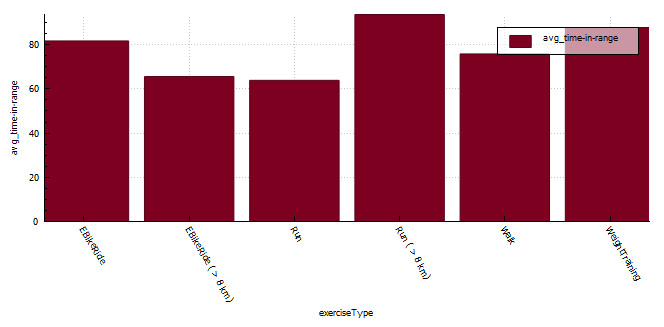
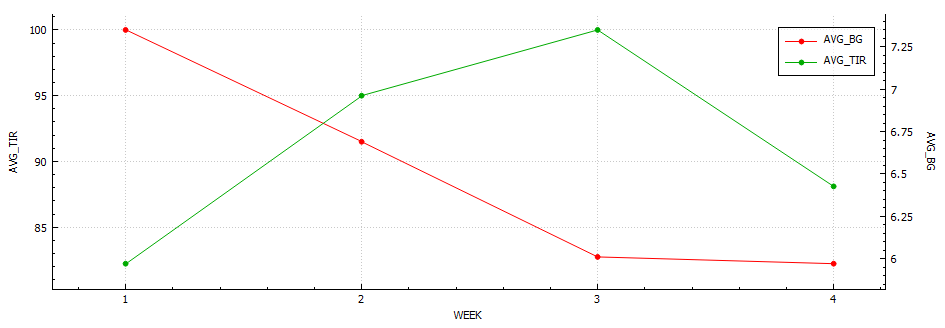
Time-in-range (TIR)

A graph of Time in Range (3.8-7.8) per exercise.

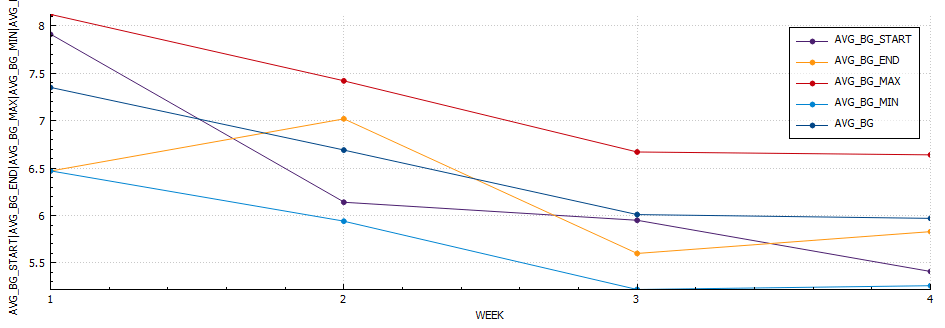
Blood glucose control metrics

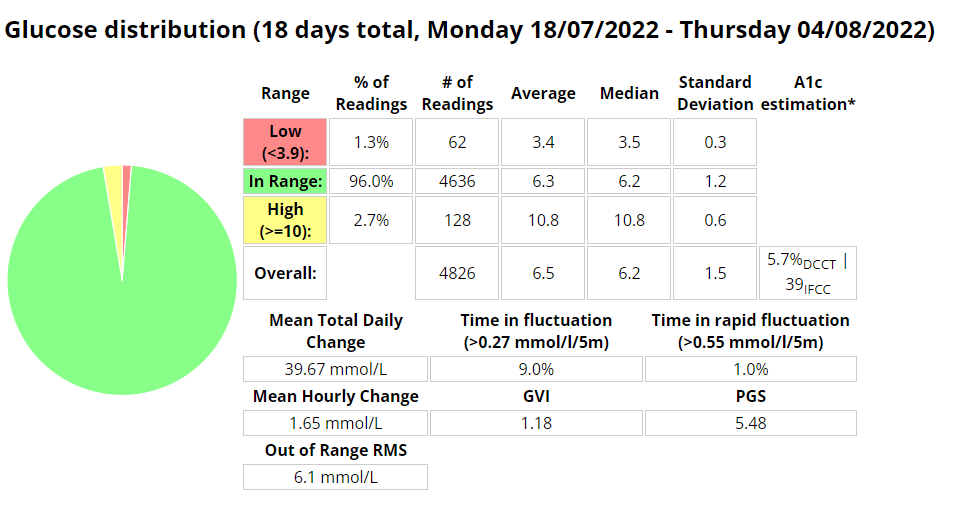
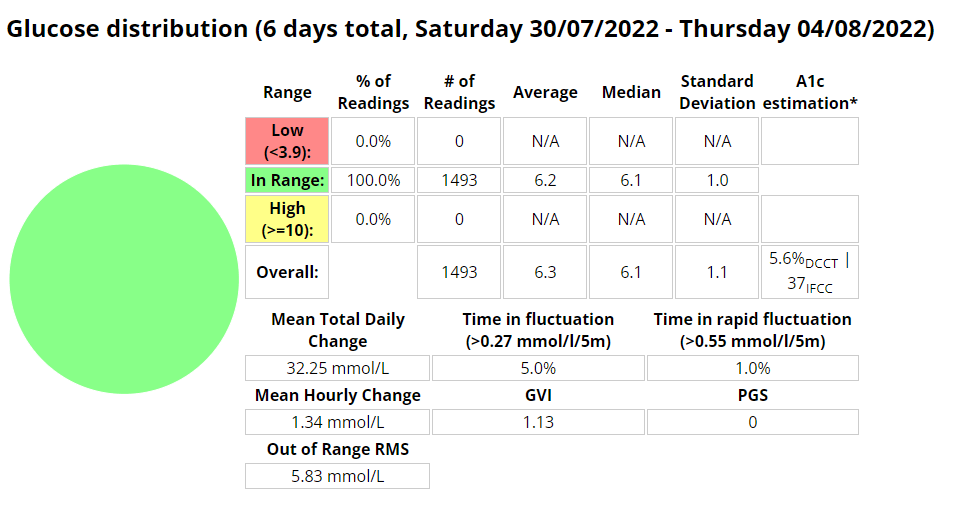
Extracted from Nightscout Reporter

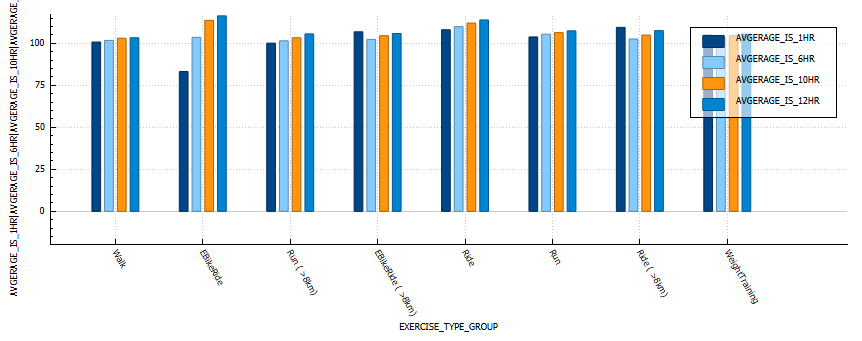
Insulin sensitivity

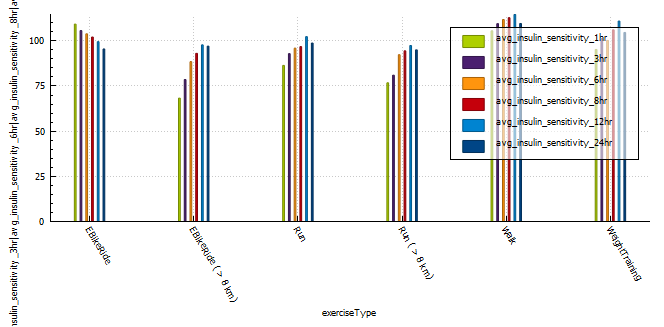
In the below graph we can see that walking and weight training result in the lowest changes in sensitivity.

Graph derived from AVG_EXERCISE_STATS_2024_GROUPED_INSULIN_SENSITIVITY table.

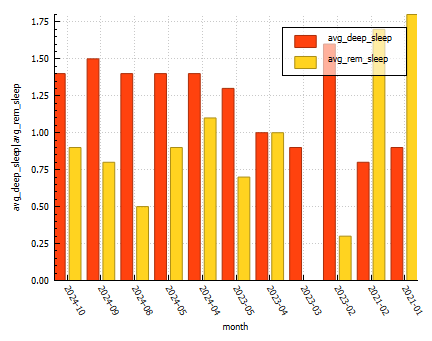
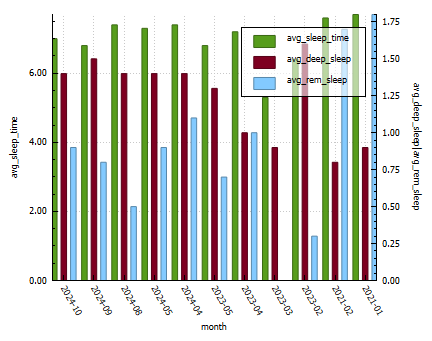
Sleep Metrics

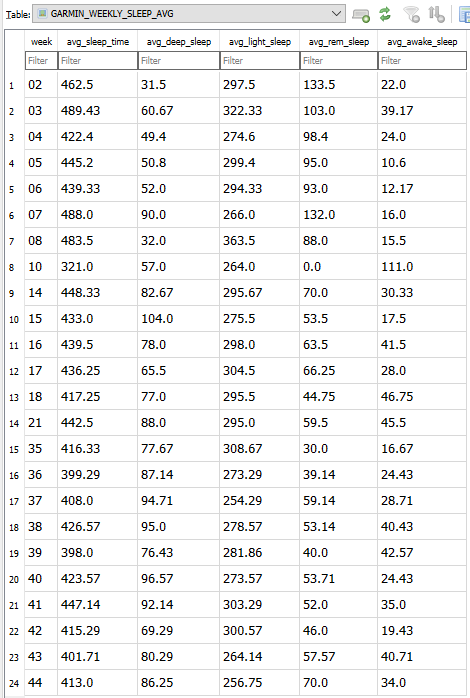
from GARMIN_MONTHLY_SLEEP_AVG
From GARMIN_MONTHLY_SLEEP_AVG

Continuous Glucose Monitoring (CGM) vs. Traditional Blood Testing

06/06/2023

What is CGM?

Continuous glucose monitoring (CGM) is a technology that allows people with diabetes to track their blood sugar levels in real time. A CGM sensor is inserted under the skin and measures glucose levels in the interstitial fluid, which is the fluid that surrounds the cells. The sensor sends readings to a receiver or smartphone every few minutes, so you can see how your blood sugar levels are changing throughout the day.

What is traditional blood glucose testing?

Traditional blood glucose testing involves pricking your finger to draw a drop of blood, which is then applied to a test strip. The test strip is inserted into a blood glucose meter, which provides a reading of your blood sugar level. Traditional blood glucose testing is typically done several times a day, but it can be more frequent if you have diabetes that is not well controlled.

Advantages of CGM

CGM has several advantages over traditional blood glucose testing, including:

  • Real-time monitoring: CGM allows you to see your blood sugar levels changing throughout the day, which can help you make better decisions about insulin dosing and food choices.
  • More data: CGM provides more data about your blood sugar levels than traditional blood glucose testing. This data can be used to identify trends and patterns in your blood sugar levels, which can help you improve your diabetes management and has allowed for advances like Artificial pancreas systems (APS) to be created.
  • Less finger pricks: CGM can help you reduce the number of finger pricks you need to do each day. This can be helpful for people who have diabetes and are sensitive to pain.

Disadvantages of CGM

CGM also has some disadvantages, including:

  • Cost: CGM devices can be expensive, and the sensors need to be replaced every 7-10 days.
  • Accuracy: CGM sensors are not always accurate, and they can be affected by factors such as exercise, illness, and food.
  • Inconvenience: CGM sensors can be uncomfortable to wear, and they can be damaged if they are not properly cared for.

When to use CGM

CGM is a good option for people with diabetes who want to improve their diabetes management. It is especially helpful for people who:

  • Have frequent highs and lows
  • Have difficulty controlling their blood sugar levels with traditional blood glucose testing
  • Are at risk for hypoglycemia or hyperglycemia
  • Are pregnant

What happens when you are dehydrated or playing sports?

When you are dehydrated, your blood sugar levels can rise. This is because your body is not able to get enough water to flush out excess glucose. When you are playing sports, your blood sugar levels can also rise. This is because your body is using more energy, which can lead to a release of stored glucose.

If you are using a CGM, it is important to monitor your blood sugar levels closely when you are dehydrated or playing sports. You may need to adjust your insulin dose or eat more carbohydrates to keep your blood sugar levels in a safe range.

Dexcom sensor settling time

The Dexcom sensor needs about 24 hours to settle after it is inserted. During this time, the sensor may be less accurate. It is important to monitor your blood sugar levels closely during this time and to use a backup method of blood sugar testing, such as a finger prick, if you are concerned about your blood sugar levels.

Sensor placement

The placement of the Dexcom sensor is important. The sensor should be placed on the abdomen or the back of the upper arm. It is important to avoid placing the sensor on areas of the skin that are:

  • Injured
  • Irritated
  • Tattooed
  • Scarred

Acceptable tolerance of CGMS and blood sugar testers

CGMS devices are not always accurate, and they can be affected by factors such as exercise, illness, and food. Dexcom accepts a tolerance of 20% from blood readings. This means that a CGM reading that is 20% higher or lower than a blood reading is still considered to be accurate.

Most finger prick testers can be different to laboratory results. This is because finger prick testers measure blood sugar levels in the blood, while laboratory results measure blood sugar levels in plasma. Plasma is a thicker fluid that contains more glucose than blood. This is why laboratory results are typically higher than finger prick results.

Conclusion

CGM is a valuable tool for people with diabetes. It can help you improve your diabetes management and reduce the risk of complications. If you are considering using a CGM, talk to your doctor about the best option for you.
CGMs vs. Traditional Blood Testers: Revolutionizing Glucose Monitoring
05/06/2023

Introduction:
Monitoring blood glucose levels is a vital aspect of managing diabetes, as it helps individuals make informed decisions about their diet, insulin dosage, and overall health. For many years, traditional blood testers were the primary method of measuring glucose levels. However, with advancements in technology, continuous glucose monitors (CGMs) have emerged as a game-changer in diabetes management. In this blog post, we will explore the key differences between CGMs and traditional blood testers, delve into the effects of dehydration and sports activities on glucose readings, and touch upon the settling time required for CGM sensors like Dexcom.

CGMs vs. Traditional Blood Testers: An Overview:
Traditional blood testers, commonly known as fingerstick glucose meters, require a small blood sample obtained by pricking the finger with a lancet. The sample is then placed on a test strip, which is inserted into the meter for analysis. This process provides a snapshot of the blood glucose level at the specific moment the test is performed. It requires periodic testing throughout the day to get an idea of how glucose levels fluctuate.

On the other hand, CGMs provide continuous and real-time glucose readings throughout the day without the need for fingerstick tests. CGMs consist of a small sensor inserted under the skin, which measures interstitial fluid glucose levels, usually every few minutes. The data collected is transmitted wirelessly to a receiver or a smartphone app, allowing users to monitor their glucose levels continuously and detect trends and patterns.

The Benefits of CGMs:

  1. Continuous Monitoring: CGMs offer a comprehensive view of glucose levels, revealing trends, highs, and lows that might be missed with traditional blood testers.
  2. Alerts and Alarms: CGMs can be set to provide notifications when glucose levels fall outside of a target range, helping individuals take immediate action and avoid severe hypo- or hyperglycemia.
  3. Data Analysis: CGMs generate detailed reports and graphs, enabling healthcare providers to analyze glucose patterns over extended periods, leading to more informed treatment decisions.

Dehydration and Sports: Implications for Glucose Monitoring:
Dehydration and engaging in physical activities such as sports can affect glucose readings. When dehydrated, the blood becomes more concentrated, leading to a higher glucose concentration in the blood. Consequently, both CGMs and traditional blood testers may yield elevated glucose readings in dehydrated individuals. Therefore, it is crucial to stay adequately hydrated to ensure accurate glucose measurements.

During sports or rigorous exercise, the body’s demand for energy increases, resulting in the release of stored glucose. This can lead to a temporary decrease in glucose levels. CGMs, with their continuous monitoring capabilities, can help individuals track these fluctuations in real-time and take necessary steps to prevent hypoglycemia.

Sensor Settling Time: Dexcom and the 24-Hour Period:
Dexcom, one of the leading manufacturers of CGMs, suggests a 24-hour settling period for their sensors. This recommendation accounts for the initial trauma caused by sensor insertion. During this period, users may experience inaccurate readings or fluctuations. Waiting for the sensor to settle allows for stabilization and more reliable glucose measurements.

Conclusion:
The advent of CGMs has revolutionized glucose monitoring, offering substantial benefits over traditional blood testers. With continuous monitoring, alerts, and data analysis capabilities, CGMs empower individuals with diabetes to make more informed decisions about their health. However, it is important to stay hydrated and consider the effects of physical activities on glucose readings. Furthermore, users of CGMs like Dexcom should allow for a 24-hour settling period to ensure accurate and reliable measurements. Embracing this technological advancement can significantly enhance the management of diabetes, promoting better health outcomes for individuals worldwide.

References:

  1. American Diabetes Association.

Impacts of Fitness on Diabetes Control

  1. Impact of Fitness on Type 1 Diabetes Management: a. Blood Sugar Control:
    • Regular exercise improves insulin sensitivity and enhances the body’s ability to utilize insulin effectively.
    • Physical activity helps to lower blood sugar levels during and after exercise by increasing glucose uptake by muscles.
    • It can reduce the amount of insulin needed for glucose management.

b. Glycemic Stability:

  • Engaging in regular physical activity helps promote more stable blood sugar levels throughout the day.
  • Consistent exercise routines can lead to better overall glycemic control and reduce the frequency of extreme highs and lows in blood sugar levels.

c. Cardiovascular Health:

  • Type 1 diabetes increases the risk of cardiovascular complications. Regular exercise can mitigate this risk by improving cardiovascular health.
  • Aerobic activities like walking, jogging, or cycling help strengthen the heart, lower blood pressure, and improve overall cardiovascular fitness.

d. Weight Management:

  • Maintaining a healthy weight is important for individuals with type 1 diabetes, as excess weight can make blood sugar management more challenging.
  • Regular physical activity helps manage weight by burning calories, building lean muscle mass, and improving metabolic function.

e. Mental Health and Well-being:

  • Regular exercise has a positive impact on mental health and overall well-being, which is crucial for individuals managing a chronic condition like type 1 diabetes.
  • Physical activity releases endorphins, reducing stress, anxiety, and depression often associated with diabetes management.
  1. Key Factors to Consider: a. Blood Sugar Monitoring:
    • Before, during, and after exercise, individuals with type 1 diabetes should regularly monitor their blood sugar levels to ensure they remain within a safe range.
    • Blood sugar levels may fluctuate during exercise, so it is essential to be prepared to adjust insulin dosages or carbohydrate intake accordingly.

b. Individualized Approach:

  • The impact of exercise on blood sugar levels can vary from person to person.
  • It is important for individuals with type 1 diabetes to work closely with their healthcare team to develop an exercise plan tailored to their specific needs, taking into account factors such as insulin regimens, meal timing, and personal fitness goals.

c. Hypoglycemia Prevention:

  • Exercise can sometimes cause hypoglycemia (low blood sugar) in individuals with type 1 diabetes.
  • Proper planning is crucial to prevent hypoglycemia during or after physical activity.
  • Adjustments in insulin dosages, meal/snack timing, and carbohydrate intake may be necessary to maintain blood sugar stability.

d. Hydration and Recovery:

  • Staying adequately hydrated before, during, and after exercise is important for individuals with type 1 diabetes to maintain overall health and prevent dehydration-related complications.
  • Proper recovery, including rest, nutrition, and adequate sleep, is crucial for optimizing the benefits of exercise and managing blood sugar levels effectively.

Conclusion: Fitness plays a significant role in the management of type 1 diabetes. Regular exercise can improve blood sugar control, promote glycemic stability, enhance cardiovascular health, support weight management, and positively impact mental well-being. It is essential for individuals with type 1 diabetes to work closely with their healthcare team, monitor blood sugar levels, and tailor their exercise routines to their specific needs to ensure safe and effective diabetes management.

Featured

Analysing 2022 exercise data from AAPS

Disclaimer: The information contained within this blog post are my thoughts and do not constitute medical advice. Please consult your medical team before making any changes to your diet or blood sugar management program.

So far 2022 has been quite the year. With the return to my work offices Its been rather difficult to reach many of the goals I set myself, but I did make progress. It seems 2023 is set to be a particular difficult year, but perhaps this will be the inspiration I need to make some positive changes. The Python scripts I wrote to export data from Nightscout to create my mountain bike videos seem to be working well and I can’t wait to make a few more videos.

I was curious to see if there were any differences in insulin sensitivity between longer and shorter activity durations, as well as higher intensity (where average heart rate was more than 80% of max heart rate) training and it seemed there was, it just wasn’t what I was expecting.

My average total daily dose (TDD) for 2022 was 32.9 units per day. If we analyse my aerobic activity (ride and runs) for the year and we use my sensitivity ratio from AAPS for 24 hours post exercise, I calculate that I saved 256 units of insulin in 2022 through exercise due to increased insulin sensitivity. During aerobic activity I consume 12g of carbs on average per 30 mins of activity unless I am exercising fasted. I can use this input to calculate that I ate 2277g of carbs during 2022. I would need 311 units of insulin to absorb 2277g of carbs. Since I don’t add carbs to AAPS while exercising I don’t have the exact numbers but I do believe this calculation to be pretty accurate. That equates to 49 Big Mac burgers / 82 Apples / 73 slices of Dominos peperoni pizza that I got to eat without insulin as a direct result of exercise.

Exercise metrics

Analysing my exercise metrics I found that I was spending way too much time exercising at more than 75% of heart rate max, this would be hampering performance and building endurance. I did eighteen (18) runs at a distance greater than 8km, an improvement over the two (2) I did in 2021. I also managed my longest run ever at 16km.

exercise typeexercise counttotal distance (km)average distance (km)average moving time (minutes)average heart rate (bpm)
EBikeRide720.642.9518.65N/A
EBikeRide ( > 8 km)17252.415.759.4133.8 (72% max HR)
Run108374.253.4723.5139.26 (75% max HR)
Run ( > 8 km)18183.110.167156 (85% max HR)
Walk4865.81.3718.693 (50% max HR)
WeightTraining650.0033.77105 (57% max HR)
TOTAL2628965.636125 (68% max HR)
Exercise stats table for 2022

Time-in-range (TIR)

The longer distance running seem to result in the best time-in-range (TIR) (3.9-7.8 mmol/l) but I do feel that these runs also seem to happen at a similar time in the morning where I have more control over insulin-on-board (IOB) and carbs-on-board (COB) and I am the most resistant to insulin. My heart rate is also far more consistent (aerobic) during running than when mountain biking ( aerobic / anaerobic ).

If I start digging into the data for short runs more closely I find that;

  • TIR (3.9-7.8 mmol/l) from 04:00am – 10:00am is 63%
  • TIR (3.9-7.8 mmol/l) from 10:00am – 13:00pm is 83%
  • TIR (3.9-7.8 mmol/l) after 13:00pm is only 23%
exercise typeexercise counttime-in-range (%)
EBikeRide781.67
EBikeRide ( > 8 km)1665.56
Run10856.8
Run (04:00 – 10:00 am)1863.8
Run (10:00 – 13:00 pm)6183.6
Run (13:00 – 10:00pm)2923.02
Run ( > 8 km)1893.6
Walk4575.8
WeightTraining6587.7
Exercise time-in-range table for 2022

Blood glucose control metrics

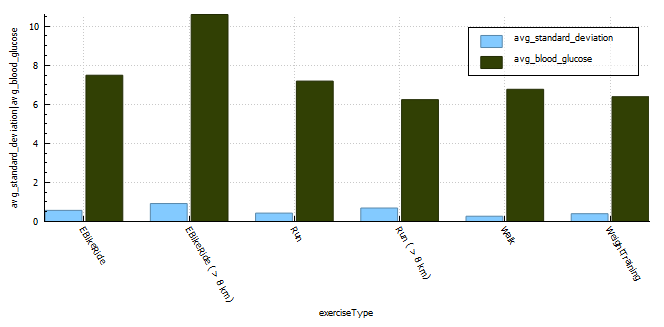
The exercise that resulted in the lowest blood glucose fluctuations is walking with a CV of 4%. The exercise with the second lowest CS was weight training. I generally try to train with a little insulin-on-board to counteract the hormones released during training and I don’t need to set a high temp target in the lead-up to the activity, thus my reading is much lower at exercise commencement. The third lowest is short runs (< 8km) with CV of 6%. The higher blood glucose average will be a direct result of me setting a higher temp target (8 mmol/l) prior to exercising, but the duration of activity isn’t long enough to reduce the blood glucose substantially resulting in the high average. Long runs seem to result in the least stable blood glucose values with a CV of 12% but the average for long runs is lower as the sustained activity reduces blood glucose. I suppose on these longer runs I do consume a minimum of 30g of ultra-fast acting carbs (glucose, dextrose) which is going to result in some fluctuations in blood glucose.

With coefficient of the variation (CV) a lower percentage is indicative of more stable blood glucose readings.

exercise typeexercise countaverage standard deviationaverage blood glucoseaverage coefficient of the variation (CV)
EBikeRide70.577.498%
EBikeRide ( > 8 km)160.9210.69%
Run1080.437.196%
Run ( > 8 km)180.696.2411%
Walk480.276.774%
WeightTraining650.46.396%
Exercise breakdown for 2022

Insulin sensitivity

A very interesting observation was that longer, more intense activity resulted in sensitivity returning to normal quicker than less intense or shorter activity. Runs shorter than 8km resulted in a massive 12% insulin reduction for 24 hours post activity, that’s around 6.5 units less insulin in a 24 hour period. Long E-Bike rides resulted in the largest increase (35%) in sensitivity 1 hour post activity, with shorter E-Bike rides the second largest increase in sensitivity. Runs longer than 8 km increased sensitivity (25%) the third most, but the body seemed to return to normal more quickly than the shorter runs and was almost back to normal within 12 hours of activity.

(NOTE: I can’t comment on the validity of the results, only that patterns exist after exercise that are not usually observed in the absence of aforementioned exercise.)

average insulin sensitivity
exercise typeexercise count1 hr post exercise3 hr post exercise6 hr post exercise8 hr post exercise12 hr post exercise24 hr post exercise
EBikeRide71091051031029995
EBikeRide ( > 8 km)16687888939779
Run1088692959610298
Run ( > 8 km)18768092949794
Walk48105109111112114109
WeightTraining6595101100106110104
Average insulin sensitivity for multiple time blocks post exercise grouped by exercise type.

Profile Adjustments vs. Temporary Targets (TT)

In the past I used a combination of a 30% reduction in profile and a temporary target of 7 mmol/l while exercising.

This seemed to work quite well, with the caveat that profile adjustments can result in your autosens data being reset if you cancel the adjustment earlier than set.

One way to combat this is to set a higher temp target, this will not effect sensitivity data and can be cancelled at any time without needing to update the basal insulin profile in the pump of effecting autosense data. In order to do this I analysed the adjustments I was using to calculate a temp target that should reduce my insulin enough to keep me in range for the duration of activity.

TargetTemp_TargetInsulin % reducedActual % of profile30% Reduction20% ReductionNote
5.3851%49%This resulted in quite a few low blood sugars
5.38.560%40%2023 backup temp target strategy
5.38.357%43%2023 temp target strategy.
5.37.542%58%28.5%38.5%
5.57.027%73%42.7%52.7%Strategy in early in 2022

Thank you for reading 🙂

Featured

Thirty day challenge – week 4

Summary

This week was the best so far. I did my longest run to date (12km) and had a really good gym week lifting (approx. 20% more volume). My diabetes control is improving (thank you AAPS and exercise) and I have learned a lot digging though my data and through responses from the previous weeks question regarding carb sensitivity factor (CSF) being used to measure insulin sensitivity post exercise. I made some strides in my glucose management tool which also felt great.

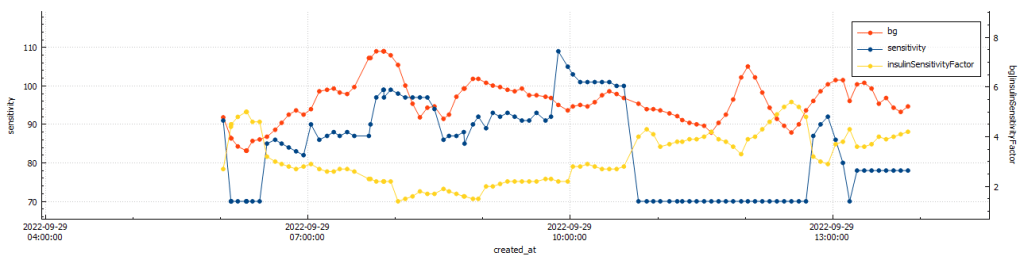
BG vs. ISF vs. insulin sensitivity post gym (@11:48:09 – 42min)
BG vs. ISF vs. insulin sensitivity post run (@11:49:30 – 33min)

After gym sensitivity increased to 115% directly post training, while my sensitivity was stable at 78% post my run.

Body Metrics

Body mass vs. body fat
StartWeek 1Week 2Week 3Week 4
Weight (kilograms)75.8747574.173.1
Body fat percentage (according to Samsung)17.3%17.8**
Body fat percentage (according to the navy seal calculator)15%15%14.8%14%
Total volume
Table stating the weekly body metrics I am tracking.

Exercise

Week 1Week 2Week 3Week 4
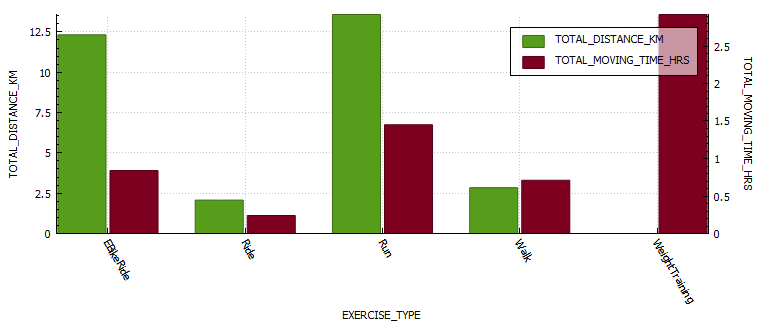
Distance (kilometres)25.1720.5437.2229.4
Activity (hours)4.343.655.645.4
Table stating the weekly exercise metrics I am tracking

Nutrition

Screenshot of average macro-nutrients consumed during week 4

Diabetes

Week 1Week 2Week 3Week 4
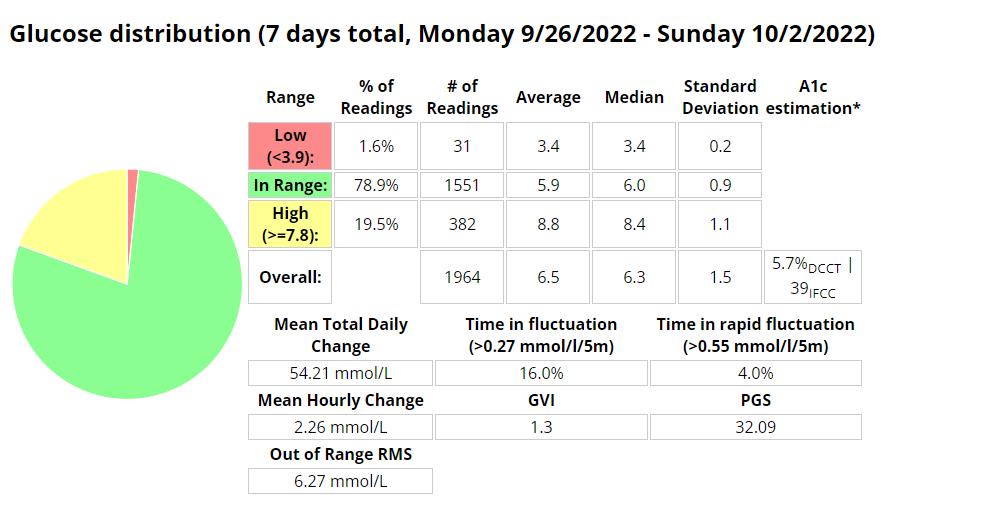
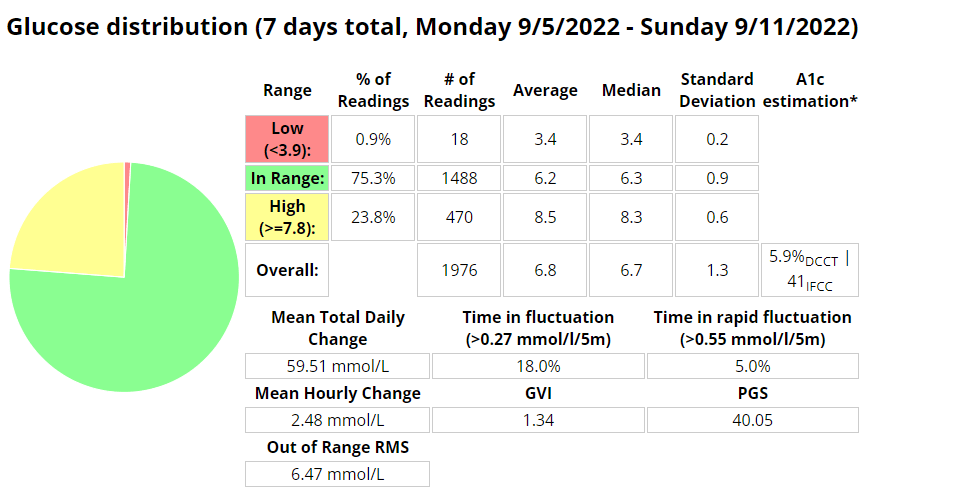
Low (<3.9) (%)0.90.63.51.6
In Range (3.9-7.8) (%)75.374.771.978.9
High (>= 7.8) (%)23.824.724.619.5
Standard deviation (SD) 1.31.71.71.5
Average (mmol/l)6.87.0 6.7 6.5
A1c estimation (%)5.96.05.85.7
Table stating the weekly diabetic metrics I am tracking.

Ideally I want to see a time-in-range (TIR – 3.9-7.8 mmol/l) exceeding 90% with an average in the low sixes and a standard deviation (SD) around one (1).

Featured

Thirty day challenge – Week 1

Summary

The first week was challenging to say the least. As I have increased my physical activity my insulin needs seem to have fundamentally changed, and this resulted in quite a few lows. I also had some tech issues, my Android phone had an operating system error and my Dexcom sensor wasn’t enjoying the resistance training I was doing as it was inserted in my arm. I reached my activity goals but exceeded my diabetic and nutritional goals.

Body Metrics

StartWeek 1Week 2Week 3Week 4
Weight (kilograms)75.874
Body fat percentage (according to Samsung)17.3%
Body fat percentage (according to the navy seal calculator)15%
Total volume
Table stating the weekly body metrics I am tracking.

Exercise

Week 1Week 2Week 3Week 4
Distance (kilometres)25.17
Activity (hours)6.24
Table stating the weekly exercise metrics I am tracking
Week 1 breakdown

Nutrition

Screenshot of the average and total macronutrients consumed during week 1.
Screenshot of average macronutrient consumed during week 1

Diabetes

Ideally I want to see a time-in-range (TIR – 3.9-7.8 mmol/l) exceeding 90% with an average in the low sixes and a standard deviation (SD) around one (1).

Featured

Thirty day challenge

It’s spring, and after a brief ‘almost two months’ of going off the reservation snacking at all times of day and barely exercising, I decided to check my weight. I discovered I had picked up a few kilograms since my last weigh in. After learning this, I decided that it was time for me to get my life back together and start another 30 day challenge. I find these great to provide the reason to get back into a routine.

I know that setting unrealistic goals (like losing 5kgs) isn’t going to work, so I’m going to break down my plan in to nutrition, exercise and diabetes goals.

Exercise

My plan for the month is to gym three days a week, run a minimum of 2 times per week and to mountain bike at least once a week. (So I guess I lied about setting unrealistic goals 🙂 )

Nutrition

For my meals I plan to stick to my usual low-ish carbohydrate meals during the week and try to only go coo-coo bananas on the late night snacking over the weekend. I’ll start carb-counting again as this will almost always yield the best results. This will be supplemented with 2-3 liters of water, depending on length of cardio that day.

Diabetes

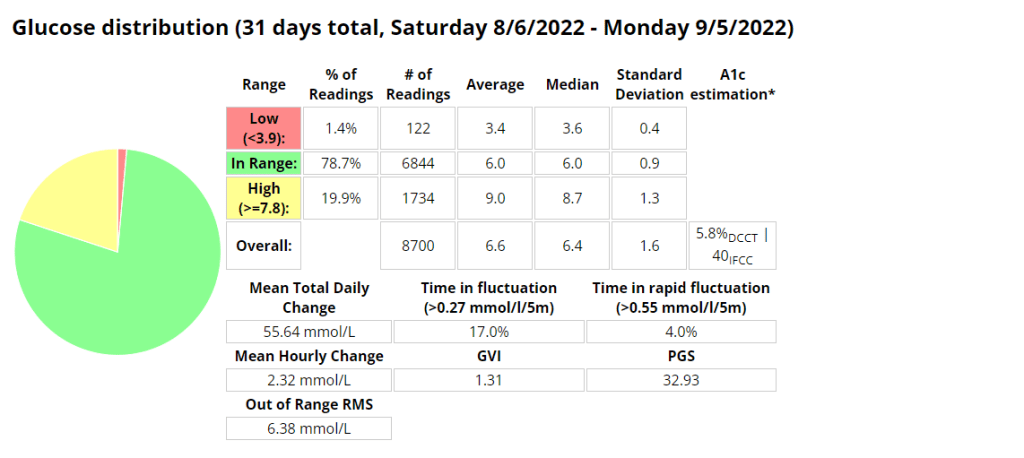
Above is a chart of my starting metrics. Lets see how quickly I can improve those values. Its going to be a little bit of an unfair test as I was not carb-counting during the above period.

We want to see the In range (Time-in-range) increase and the standard deviation decrease. By doing that the average and the A1c should follow. This will mostly be achieved by the diet component of the plan. The exercise component will allow me to eat more cabs and require less insulin, as well as improve circulation, sleep, blood pressure, mood, cholesterol, memory and overall mental and physical health.

I will check in with weekly updates to ensure I keep motivated and accountable.

Omnipod Dash – Summary – Week 1&2

Its only been a week and already I feel so comforted by the barely audible click of the pump depressing the plunger in the mini pump at meal times or sporadically throughout the day. Its the sound of blood sugar control. What a week its been learning all I can about Pod changes and being woken up on day 3 by the Pod alarm alerting me its 8 hours before the Pod expires. Once expired it was interesting to note that the Pod functioned as per normal, apparently for another 8 hours.

I had a Pod on days 3 and 4 that was inserted into my leg that may have had a cannula issue, as I struggled to maintain my standard level of control.

Its been a lot easier to exercise focusing on enjoying the task rather than if I would break the pump or rip out a cannula. Having no wires makes it a lot easier to run or gym as I don’t have to worry about pump placement as much. Previously I needed to ensure I had pants with pockets or a belt clip available.

I have also found sleeping a little easier, as I can barely notice the pump If I roll over onto it.

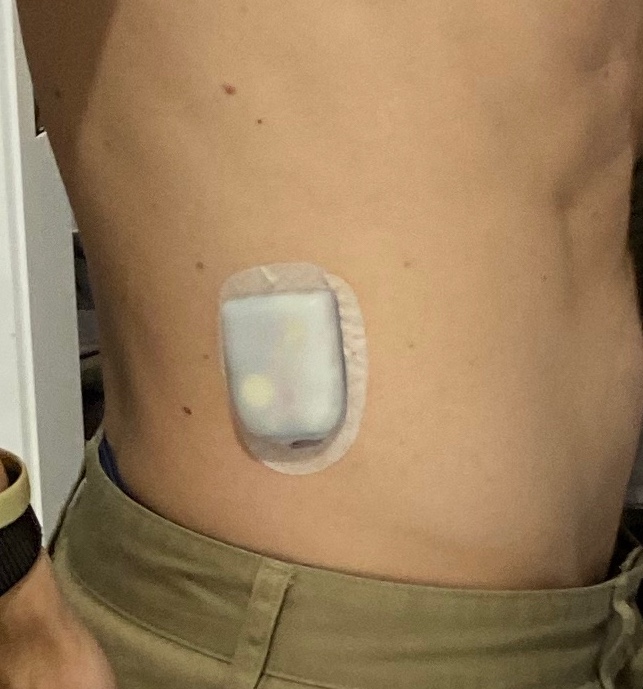
Flank insertion.
Boost Omnipod – Time in Range (3.9 -7.8 mmol/l)
Boost Omnipod – Time in Range (3.9 – 10 mmol/l)

Unannounced meals

I decided to test the system with unannounced meals consisting of 40g of carbs or less. I am a bit of a control freak when it comes to diabetes so I have been postponing testing this for a long time. The results were outstanding. I will be writing more about this in the future, including any automations I use or test.

Boost Omnipod – UAM – Time in Range (3.9 -7.8 mmol/l)

Boost Omnipod – UAM – Time in Range (3.9 – 10 mmol/l)

Loop – Day 73 – 2021 Summary

It’s been 73 days since I started looping. I have had a difficult December with a sprained wrist from a mountain bike accident and myself, my daughter and my wife had gastro which resulted in very little sleep and some abnormal readings. In fact I am still having abnormal sensitivity to insulin, resulting in frequent lows or blood sugar swings. I also had two failed Dexcom sensors and moved to the code calibration method which resulted in two days of false high CGM readings in comparison to my blood glucose readings. I’ll add the CGM stats once I am finished the analysis. Hello 2022!

Blood Glucose Stats

Blood glucose stats

A marginal improvement in December over the fist two months, but I still have a lot of work to do to get to my goal of a 5.5% A1C. Interestingly enough, after the gastro I am now 40% more sensitive to insulin, so hopefully now that I am aware of this I can get back to better blood glucose readings. I will also need to run in open-loop when changing Dexcom sensors to avoid all the issues I was previously having with false high blood glucose readings causing my Loop to micro-bolus incorrectly or increase my basal in error. Still not sure how I will handle protein in open-loop.

Exercise Stats 2021-2015

Total distance exercised
Total time spend exercising

I more than doubled (55%) the amount of hours I spent exercising in 2021, mostly as I was working from home which allowed me to spend more time exercising. As my A1C lowered, my fitness levels improved dramatically.