Analysing exercise data for 2024

Disclaimer: The information contained within this blog post are my thoughts and do not constitute medical advice. Please consult your medical team before making any changes to your diet or blood sugar management program.

I decided to get an analogue bicycle and I have loved the challenge of riding it. I had a terrible GC half marathon (GCHM), complete with muscle spasms, but I finished so that was nice. The training for the GCHM was amazing and I got to run in some pretty interesting places, like the NSW rail trail in Casino.

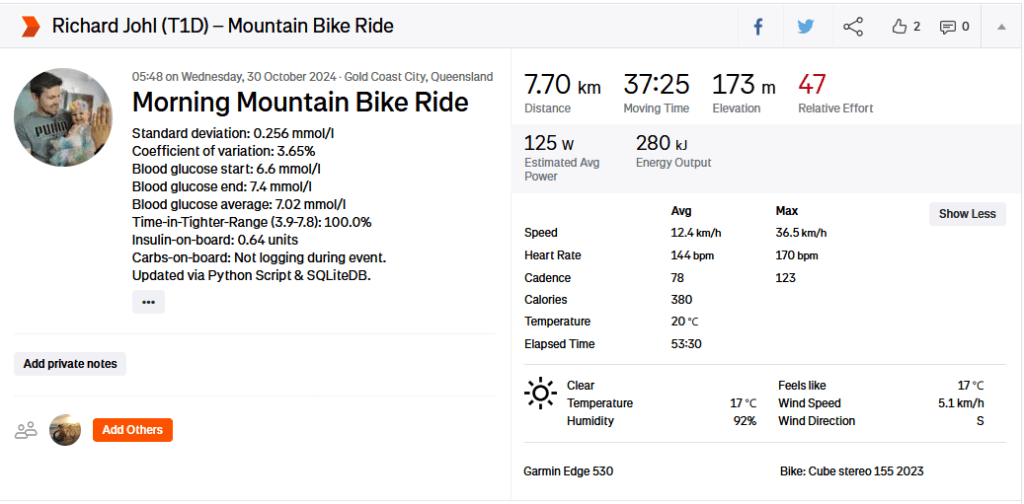
I have developed a host of new features for my Diabetes Analysis Tool, including an integration into Strava, where I update my exercise description with my exercise stats.
Physiological Metrics

I am currently on an average of 42.9 units per day and an average of 150g of carbs per day. These carbs include carbs from fat and protein (gluconeogenesis).

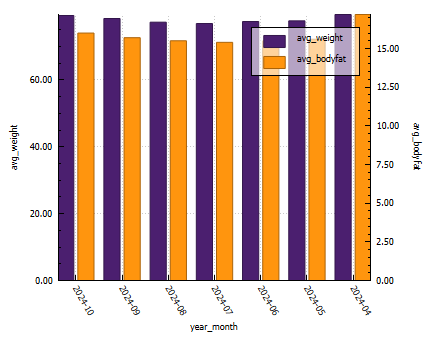
You can see from the graph below that my weight has fluctuated quite a bit this year, with poor eating habits (snacking at night) the biggest contributor to a lower time in range. My lowest bodyfat was 15% (confirmed by 3rd party testing). This dramatic weight shift was due to training for the GCHM.
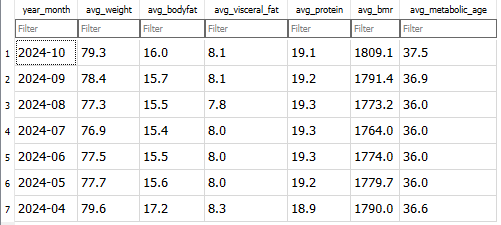
Extract from the Renpho smart scale imported for Analysis.
Weight and Bodyfat graph exported from Diabetic Analysis Tool.

Exercise metrics

Every year I try to increase my distances and time in range (TIR). This year I increased my TIR by 2%, which is incredible. Although my CV and SD are lower, average glucose is down 0.06 mmol/l. I attribute this to lower insulin closer to exercise time, and refuelling at appropriate time intervals.


Annual view of exercise stats
2024 exercise stats (grouped by distance)
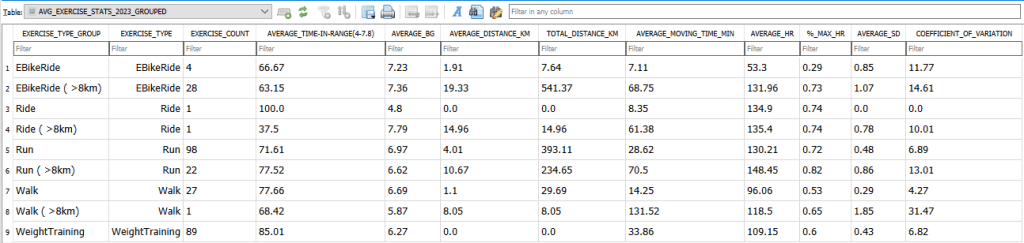
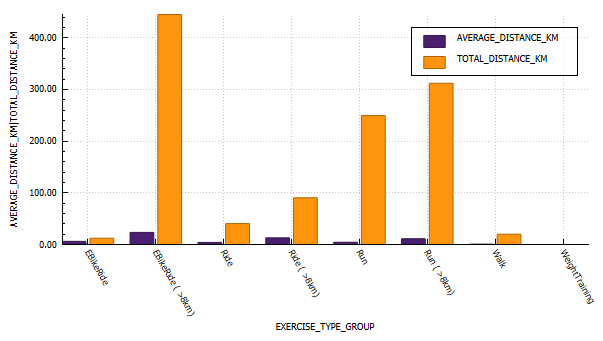
2023 exercise stats (grouped by distance)

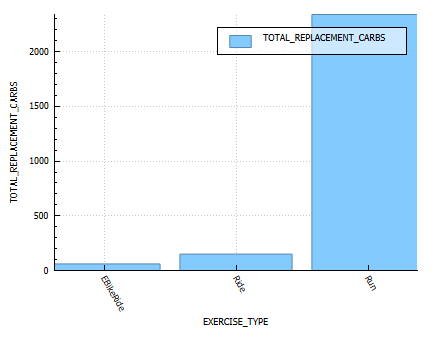
Energy Burn Rates

A table of the estimated energy replacement carbs consumed.

Time-in-range (TIR)

A graph of Time in Range (3.8-7.8) per exercise.

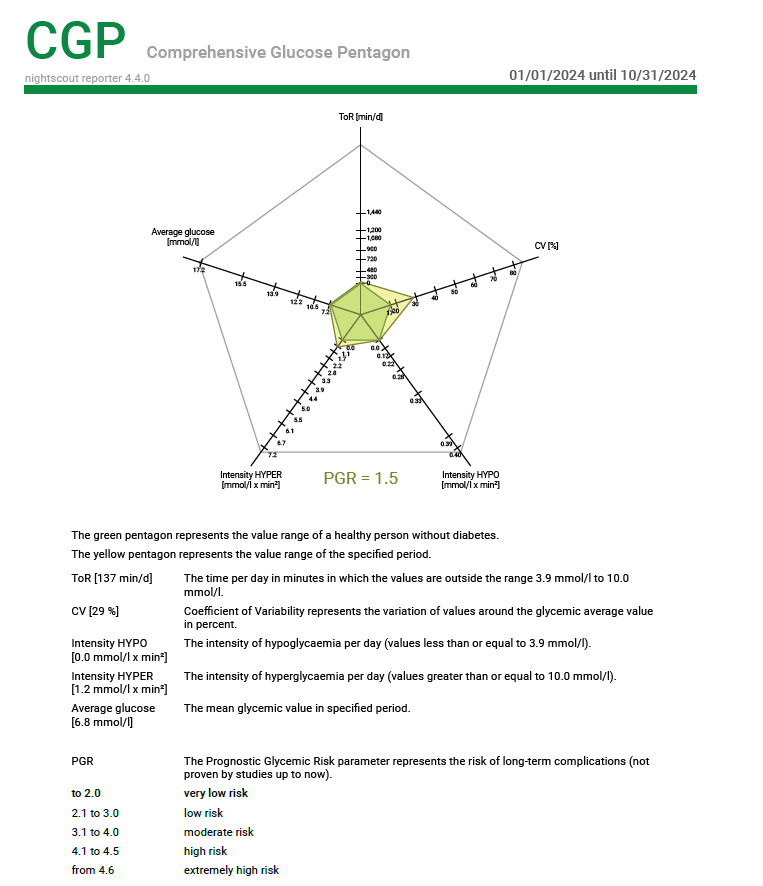
Blood glucose control metrics

Extracted from Nightscout Reporter

Insulin sensitivity

In the below graph we can see that walking and weight training result in the lowest changes in sensitivity.
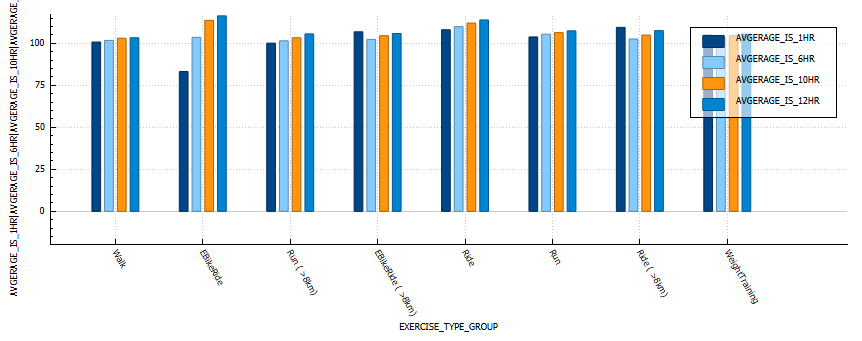
Graph derived from AVG_EXERCISE_STATS_2024_GROUPED_INSULIN_SENSITIVITY table.

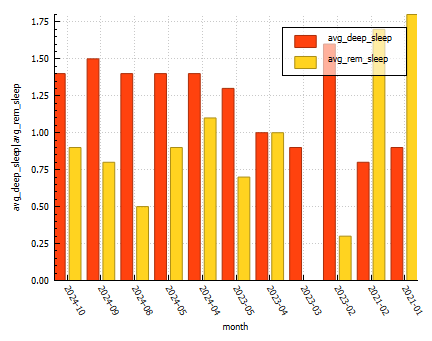
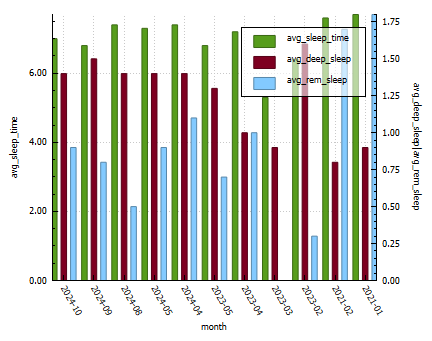
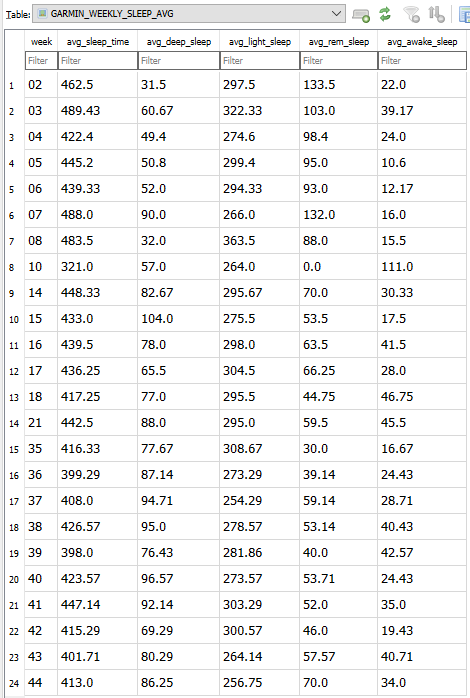
Sleep Metrics

from GARMIN_MONTHLY_SLEEP_AVG
From GARMIN_MONTHLY_SLEEP_AVG

Impacts of Fitness on Diabetes Control

  1. Impact of Fitness on Type 1 Diabetes Management: a. Blood Sugar Control:
    • Regular exercise improves insulin sensitivity and enhances the body’s ability to utilize insulin effectively.
    • Physical activity helps to lower blood sugar levels during and after exercise by increasing glucose uptake by muscles.
    • It can reduce the amount of insulin needed for glucose management.

b. Glycemic Stability:

  • Engaging in regular physical activity helps promote more stable blood sugar levels throughout the day.
  • Consistent exercise routines can lead to better overall glycemic control and reduce the frequency of extreme highs and lows in blood sugar levels.

c. Cardiovascular Health:

  • Type 1 diabetes increases the risk of cardiovascular complications. Regular exercise can mitigate this risk by improving cardiovascular health.
  • Aerobic activities like walking, jogging, or cycling help strengthen the heart, lower blood pressure, and improve overall cardiovascular fitness.

d. Weight Management:

  • Maintaining a healthy weight is important for individuals with type 1 diabetes, as excess weight can make blood sugar management more challenging.
  • Regular physical activity helps manage weight by burning calories, building lean muscle mass, and improving metabolic function.

e. Mental Health and Well-being:

  • Regular exercise has a positive impact on mental health and overall well-being, which is crucial for individuals managing a chronic condition like type 1 diabetes.
  • Physical activity releases endorphins, reducing stress, anxiety, and depression often associated with diabetes management.
  1. Key Factors to Consider: a. Blood Sugar Monitoring:
    • Before, during, and after exercise, individuals with type 1 diabetes should regularly monitor their blood sugar levels to ensure they remain within a safe range.
    • Blood sugar levels may fluctuate during exercise, so it is essential to be prepared to adjust insulin dosages or carbohydrate intake accordingly.

b. Individualized Approach:

  • The impact of exercise on blood sugar levels can vary from person to person.
  • It is important for individuals with type 1 diabetes to work closely with their healthcare team to develop an exercise plan tailored to their specific needs, taking into account factors such as insulin regimens, meal timing, and personal fitness goals.

c. Hypoglycemia Prevention:

  • Exercise can sometimes cause hypoglycemia (low blood sugar) in individuals with type 1 diabetes.
  • Proper planning is crucial to prevent hypoglycemia during or after physical activity.
  • Adjustments in insulin dosages, meal/snack timing, and carbohydrate intake may be necessary to maintain blood sugar stability.

d. Hydration and Recovery:

  • Staying adequately hydrated before, during, and after exercise is important for individuals with type 1 diabetes to maintain overall health and prevent dehydration-related complications.
  • Proper recovery, including rest, nutrition, and adequate sleep, is crucial for optimizing the benefits of exercise and managing blood sugar levels effectively.

Conclusion: Fitness plays a significant role in the management of type 1 diabetes. Regular exercise can improve blood sugar control, promote glycemic stability, enhance cardiovascular health, support weight management, and positively impact mental well-being. It is essential for individuals with type 1 diabetes to work closely with their healthcare team, monitor blood sugar levels, and tailor their exercise routines to their specific needs to ensure safe and effective diabetes management.