Disclaimer: The information contained within this blog post are my thoughts and do not constitute medical advice. Please consult your medical team before making any changes to your diet or program.
This guide is based on past experience, information obtained from other diabetics and input from a multitude of websites.
I have broken this guide up into 3 sections;
- Pre-exercise (preparation)
- Exercise
- Post-exercise
Step 1: Pre-exercise
PUMP: BASAL: If you are on a pump, this usually involves setting a temp basal around an hour prior to exercise, but a multitude of factors will govern the % basal rate and how early you will start it. It seems a general rule of thumb is 30-70% depending on the intensity and duration of the exercise, the longer you exercise the more sensitive to insulin you will become. The faster (think Fiasp) your insulin responds to change, the shorter the waiting period prior to starting exercise could be. Short acting Insulin has a DIA (duration of insulin action) that usually lasts several hours (3-7ish), and any insulin you may have on-board (circulating within your body) will become more potent as you exercise, thus increasing the risk of a severe hypo.
MDI: BASAL: For most exercise under 40 minutes I would keep my basal the same and ensure I exercised in the morning, reducing the risk of a hypo by being fasted and by exercising during a period in time where we are more resistant to insulin. Of course you can exercise at any time you choose, but you need to be aware that if you did not adjust your basal according to your length and vigour of activity you are more likely to experience a hypo.
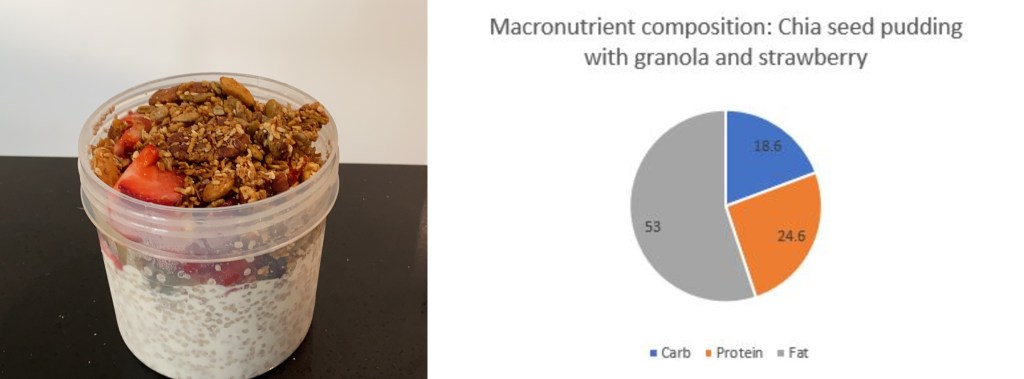
Snack and snack timing: If you exercise in the morning I prefer to exercise fasted provided the activity is under 40 minutes in duration. If the activity is over 40 minutes then I will have a small snack (under 15g of carbs) just before I set out. The carbohydrate requirements for individuals will differ according to your body composition (ie. smaller people require less fuel to achieve the same results as larger people would, or the more muscle you have the more fuel you will need). If I am exercising more than two hours after I woke up, I will require a snack to sustain me for the duration of the activity. I have found that 20-30 minutes after my snack seems to be my ideal time (snacks with higher protein / fat will digest more slowly than high carb snacks) to begin exercise. Its very much a process of monitoring and evaluating until you find what works for you.
Hypo treatments: Glucose, dextrose or sucrose in liquid form is by far the quickest and most precise way to treat an impending hypo. Its important to note that liquid is absorbed much faster than solid foods according to the Manhattan gastroenterology website. Ingesting solids foods during activity can result in post-exercise hyperglycaemia as the foods begin to digest soon after exercise stops.
“Exercise and digestion can be mutually exclusive. When you exercise, your body isn’t using its energy for digestion. Instead, it slows any digestion currently taking place so it can divert as much blood as it can to feed your muscles and your lungs.”
https://www.manhattangastroenterology.com/exercise-affects-digestion/
Other items to consider:
- Cannula placement; If the cannula is in the muscle group you plan to train, you may need to reduce basal further.
- Sleep; If you are sleep deprived you may require more insulin.
- Wake up period; If you are training within two hours of waking up, you may be more insulin resistant and require less pre-training fuel.
- Pump suspension; If you suspended your pump you will need to consider the period of time that your pump is suspended as you will have missed that basal insulin.
Step 2: Exercise
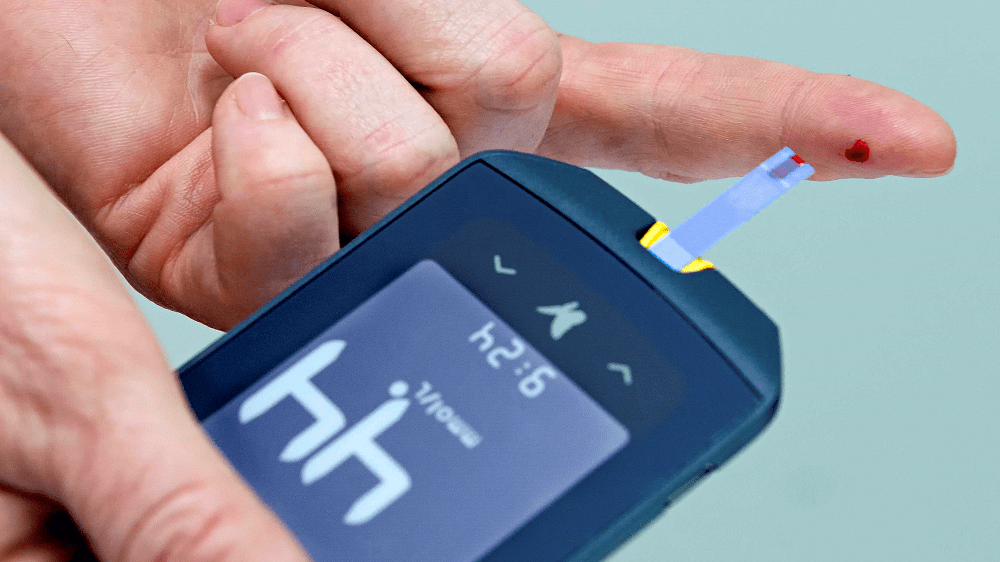
In my opinion, the most important things to do whilst exercising is to monitor and respond as required. I take my blood sugar at 15 minute internals when doing cardio ( I have a CGM attached to me at all times, but I prefer to use blood as its more accurate), which as you become more comfortable and attuned to your body, you could probably push to between 30 and 60 minutes to match testing to glycogen store depletion.
The average non-diabetic athlete has between 350-500g of stored glycogen when fully stocked (think high carb diets, the body stores less on lower carb diets) and up and 50% less glycogen just after waking up. These glycogen stores get fully depleted at around 90 minutes or 45 minutes if you exercise in the mornings . A Medivizor study suggested that diabetics have up to 21% less glycogen stores than the average person. If we consider the aforementioned statement regarding diabetics reduced capacity to store glycogen we realise that early morning exercise could lead to glycogen stores being depleted in as little as 35 minutes for the athletic individual, earlier if you are on a low carb diet or are untrained as your body uses glycogen less efficiently.
The Portland clinic advises that;
“During the first 15 minutes of exercise most of the
http://www.theportlandclinic.com/wp-content/uploads/2014/05/7807.pdf?1a1979
sugar for fuel comes from either the blood stream
or the muscle glycogen which is converted back to
sugar. After 15 minutes of exercise, however, the
fuel starts to come more from the glycogen stored
in the liver. After 30 minutes of exercise, the body
begins to get more of its energy from the free fatty
acids”.
My personal experience seems to correlate to these findings and that’s why I test at 15 minute intervals, especially when starting a new routine, or restarting an old one. Also consider that you need insulin to utilise glycogen.
Effort levels can also influence blood glucose. Exercising at higher intensity levels can increase blood glucose due to stress hormones being released.

I use the formula 220-age to calculate my maximum heartrate. Then I can calculate effort from the below chart. I can then use this information to keep an eye on my heart rate during exercise and adjust my training effort as required. I also use this information to adjust my subsequent insulin doses as I am more sensitive to insulin an hour or two after exercise ( or directly post exercise when on MDI)
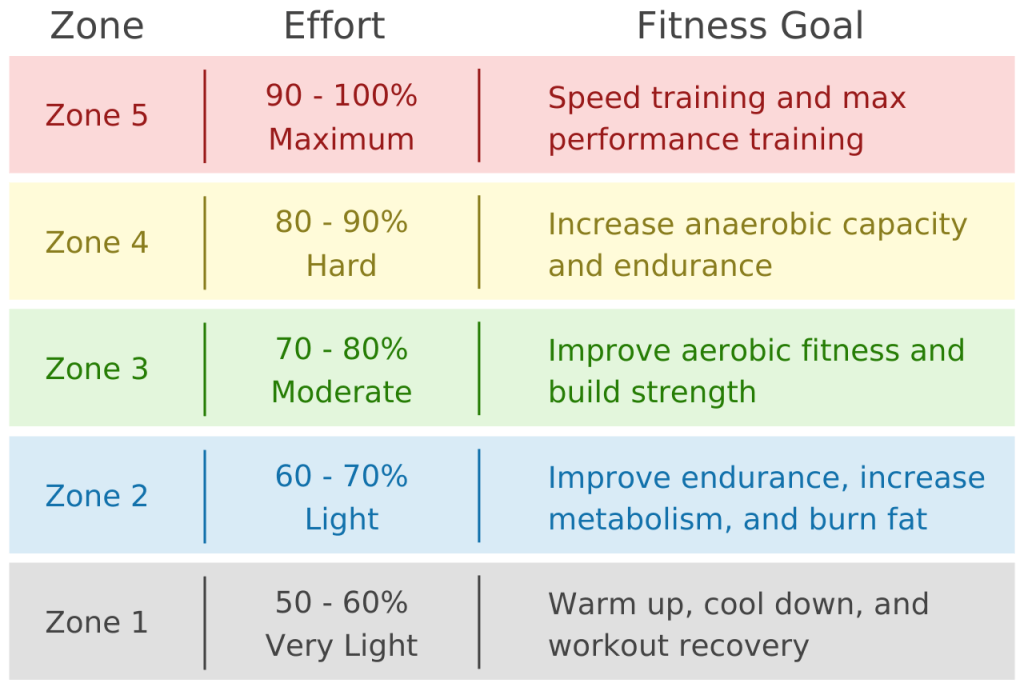

An example of how to use the table above would be if I had exercised at a moderate pace for 40 minutes, I could then experiment by decreasing my insulin dose by 67% and adjusting further if needed. Its easy to do this in Loop with temporary over-rides.

An example of what I do to prepare for a run with Android Artificial Pancreas System (AAPS).
Step 3: Post Exercise
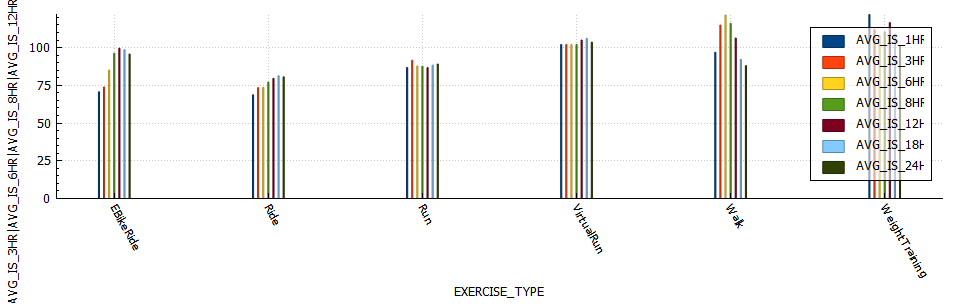
PUMP: I am not experiencing the sudden insulin sensitivity increase I did while on MDI. I believe this to be due to the fact that on MDI I cant reduce basal, but with the pump I can decrease basal as required. Be careful not to decrease your basal too much as your blood sugar will increase due to an inability to utilise glucose effectively. If you are using Loop then you could start a temporary over-ride to adjust insulin delivery for the remainder of the day. AAPS is capable of adjusting insulin requirements using a function called autosens which monitors deviations in insulin requirement. Below is a chart of insulin sensitivity post exercise grouped by exercise type.
MDI: I would generally be around 40% more sensitive to insulin immediately after a moderate run or cycle. This reason the onset of the sensitivity seems more rapid is due to the already circulating basal insulin now being super-charged. I found that exercising on MDI lacks some of the flexibility that pumps users have to adjust training duration or time period around your basal dose. On MDI I would the Spike app to adjust my meal time doses according according to the duration and intensity of the exercise. Spike is a very handy app for Apple MDI users to use as it can track meals, insulin and exercise. As well as have the functionality to calculate and adjust adjust insulin doses based on carbs and exercise input.

NOTE: The Spike app is still available, it just requires a developer license and a significant time investment to install as its not available on test flight or the Apple store.
 Dick The Diabetic's APS Adventures