Featured

2023 Half Marathon

It’s been a long-standing goal of mine to run a half marathon. It’s long enough to be a challenge, and short enough that I don’t need to be training all year round and can focus on my other sports.

Pre-requisites

Basal review – I will be doing an incremental basal review in the next few days (hopefully). Skipping meals where required.

Full profile review – Once the basal profile has been updated, I will check my CR (carb ratio) and CRR (carb rise ratio). No need to check ISF (insulin sensitivity factor) as its calculated in Android APS. I will need to be on the look out for blood sugar dips two or more hours after meals as I may need to reduce the Dynamic ISF Adjustment factor.

Injuries

At the moment I have an Achilles tendon issue I am in rehabilitating. It’s the first time I am experiencing this issue, so I am working with a Physio to remedy it.

Training Program

I plan on using the Garmin training program to do most of my training. My longest run prior to this was 16 km and I mountain bike so I think I may be ok with fitness if I can get back into training fairly quickly, but this is dependent on how well my current rehab program works.

This will be updated as and when I can, but the next 3 three (3) weeks are as follows:

Tendon Rehab Program:

WeekMondayTuesdayWednesdayThursdayFridaySaturdaySunday
1Calf raise holds 5 x 45 seconds, Gym3km run,
double leg calf raise x 3 12-15, body weight single leg calf raise 3 x 10-15
Calf raise holds 5 x 45 seconds, GymCalf raise holds 5 x 45 seconds, Gym3km run in AM,
double leg calf raise x 3 12-15, body weight single leg calf raise 3 x 10-15
Calf raise holds 5 x 45 seconds, GymBike in AM
2Calf raise holds 5 x 45 seconds, Gym4-5 kmCalf raise holds 5 x 45 seconds, GymCalf raise holds 5 x 45 seconds, Gym4-5 kmCalf raise holds 5 x 45 seconds, GymBike in AM
3Calf raise holds 5 x 45 seconds, Gym5-7kmCalf raise holds 5 x 45 seconds, GymCalf raise holds 5 x 45 seconds, Gym5-7kmCalf raise holds 5 x 45 seconds, GymBike in AM

NOTES: If pain/stiffness gets progressively worse, then reduce load and re-assess. If not monitor and keep working.

Strava Running Program:

I had really wanted to use the Garmin program, but I was too late to start it. The Strava program doesn’t seem to have the ability to select the days I plan on running or feedback on training progress at a granular level. My desired routine is 3 days per week.


Garmin Running:

Global Triathlon Network (GTN) half marathon training program

I really liked the plan from GTN, I have modified it a little to fit within my availability.
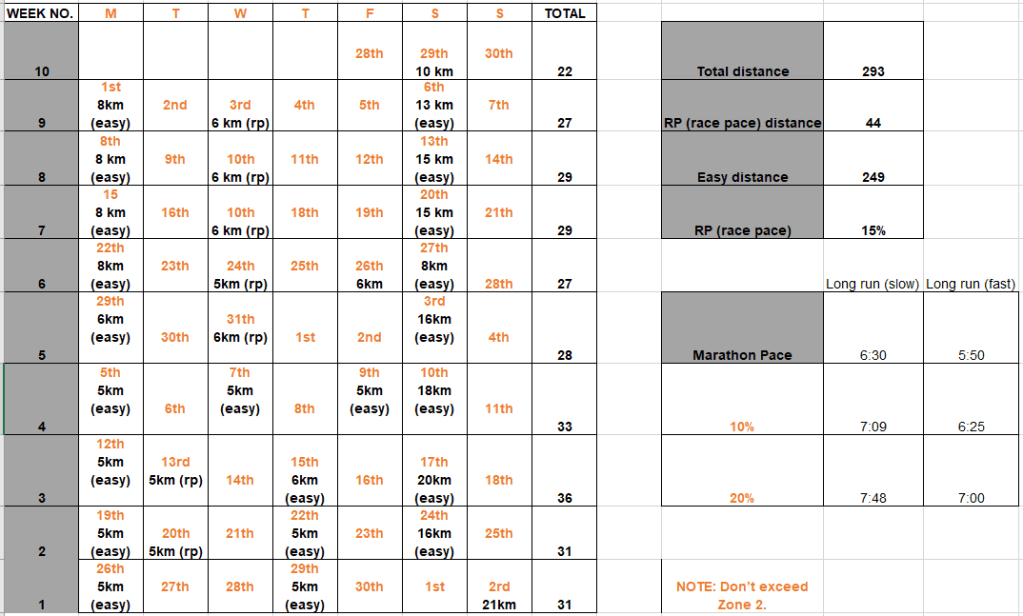
Training Progress

I will add a table to the weekly updates with progress on my training plans.

Diet / Food

I plan on sticking to my diet as much as possible. I will however cut back on alcohol and focus on drinking more water.

Supplements

Vitamin B – https://www.healthline.com/health/food-nutrition/vitamin-b-complex#benefits

Alpha lipoic acid – https://www.healthline.com/nutrition/alpha-lipoic-acid

Omega 3 – https://www.healthline.com/nutrition/17-health-benefits-of-omega-3

Vitamin D – https://www.healthline.com/health/food-nutrition/benefits-vitamin-d

Gear

Shoes: New Balance 1080, Fresh Foam More v3, Brooks Ghost

Watch: Garmin Fenix 7

Hydration vest: Osprey Duro 6 hydration vest

APS Hardware: Cubot King Kong Mini 2 Pro

Artificial Pancreas System: Android APS / Branch: Dev (Dynamic ISF)

Pump: Mixture of Omnipod and Accu-Check Combo

Insulin: Fiasp

Insulin Peak: 55 minutes

DIA: 9 hours

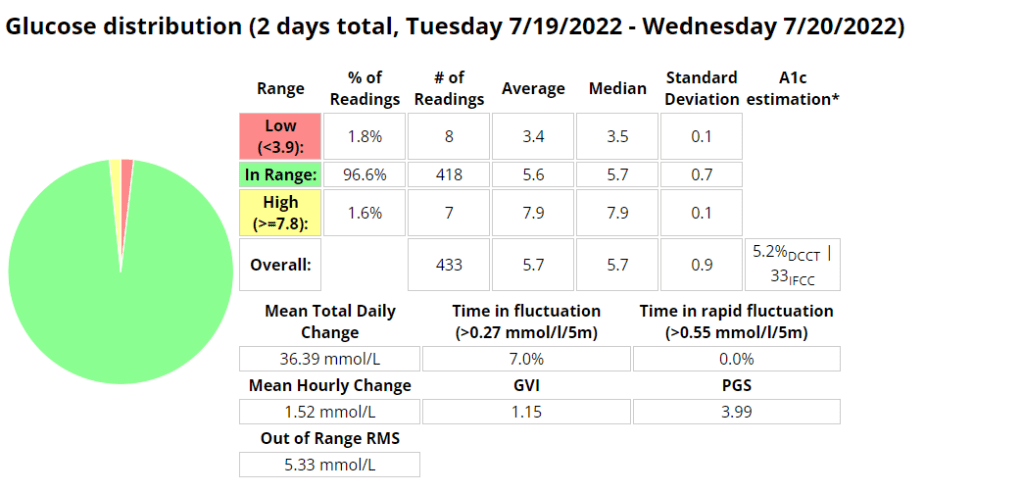
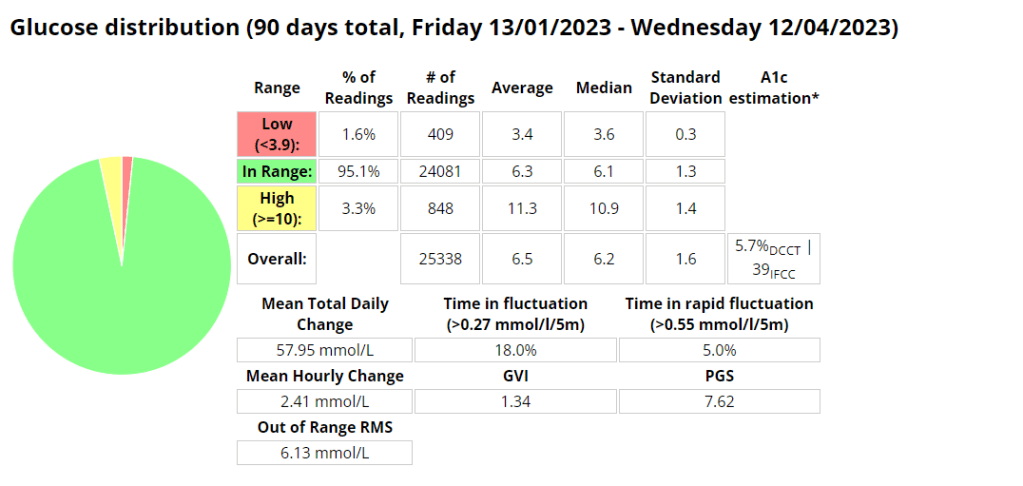
Glucose statistics
Measurements

Weight: 75km (afternoon)

Waist: 88cm

Body fat (estimate):

Updates (Weekly)

I will try and update the blog weekly with progress.
Featured

Analysing 2022 exercise data from AAPS

Disclaimer: The information contained within this blog post are my thoughts and do not constitute medical advice. Please consult your medical team before making any changes to your diet or blood sugar management program.

So far 2022 has been quite the year. With the return to my work offices Its been rather difficult to reach many of the goals I set myself, but I did make progress. It seems 2023 is set to be a particular difficult year, but perhaps this will be the inspiration I need to make some positive changes. The Python scripts I wrote to export data from Nightscout to create my mountain bike videos seem to be working well and I can’t wait to make a few more videos.

I was curious to see if there were any differences in insulin sensitivity between longer and shorter activity durations, as well as higher intensity (where average heart rate was more than 80% of max heart rate) training and it seemed there was, it just wasn’t what I was expecting.

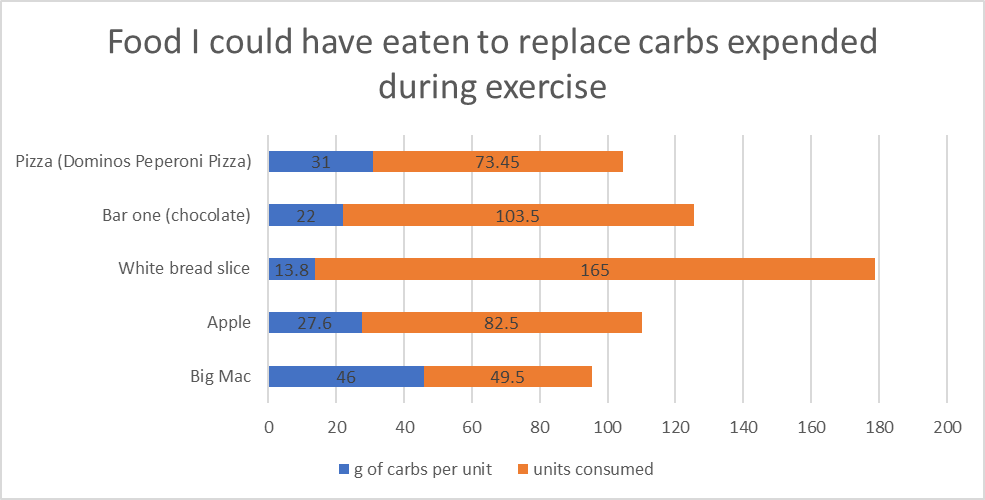
My average total daily dose (TDD) for 2022 was 32.9 units per day. If we analyse my aerobic activity (ride and runs) for the year and we use my sensitivity ratio from AAPS for 24 hours post exercise, I calculate that I saved 256 units of insulin in 2022 through exercise due to increased insulin sensitivity. During aerobic activity I consume 12g of carbs on average per 30 mins of activity unless I am exercising fasted. I can use this input to calculate that I ate 2277g of carbs during 2022. I would need 311 units of insulin to absorb 2277g of carbs. Since I don’t add carbs to AAPS while exercising I don’t have the exact numbers but I do believe this calculation to be pretty accurate. That equates to 49 Big Mac burgers / 82 Apples / 73 slices of Dominos peperoni pizza that I got to eat without insulin as a direct result of exercise.

Exercise metrics

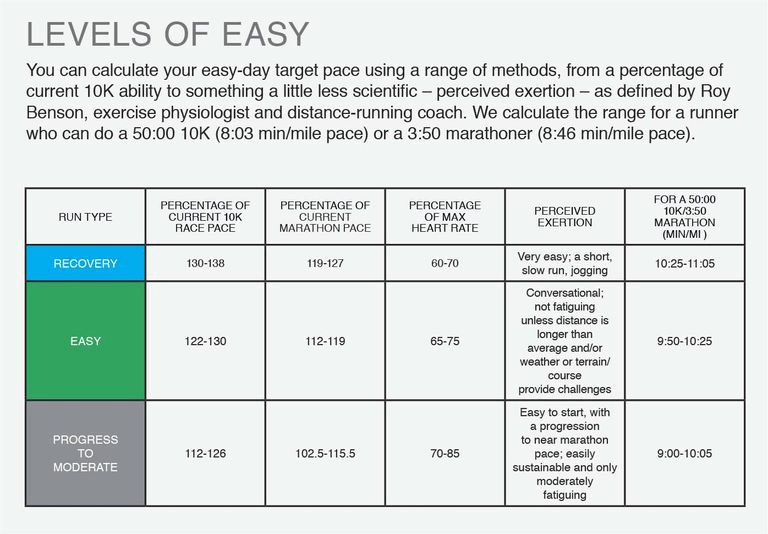
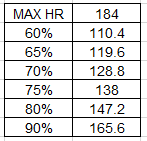
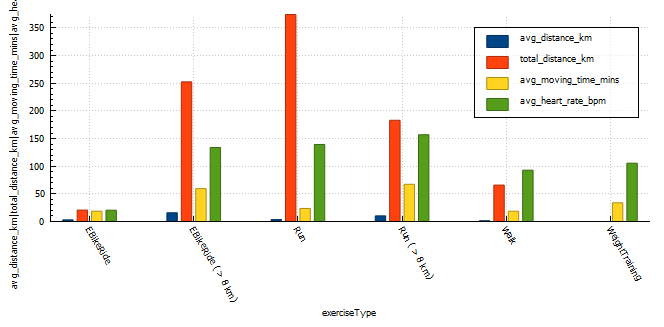
Analysing my exercise metrics I found that I was spending way too much time exercising at more than 75% of heart rate max, this would be hampering performance and building endurance. I did eighteen (18) runs at a distance greater than 8km, an improvement over the two (2) I did in 2021. I also managed my longest run ever at 16km.

exercise typeexercise counttotal distance (km)average distance (km)average moving time (minutes)average heart rate (bpm)
EBikeRide720.642.9518.65N/A
EBikeRide ( > 8 km)17252.415.759.4133.8 (72% max HR)
Run108374.253.4723.5139.26 (75% max HR)
Run ( > 8 km)18183.110.167156 (85% max HR)
Walk4865.81.3718.693 (50% max HR)
WeightTraining650.0033.77105 (57% max HR)
TOTAL2628965.636125 (68% max HR)
Exercise stats table for 2022

Time-in-range (TIR)

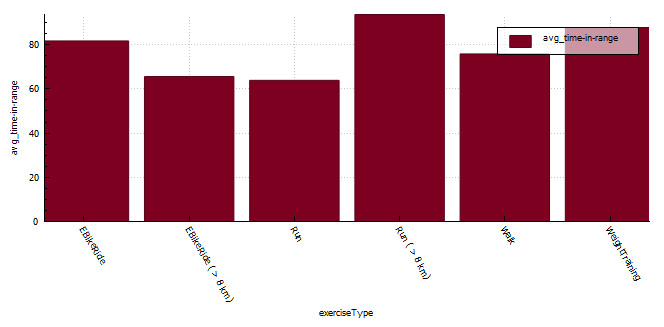
The longer distance running seem to result in the best time-in-range (TIR) (3.9-7.8 mmol/l) but I do feel that these runs also seem to happen at a similar time in the morning where I have more control over insulin-on-board (IOB) and carbs-on-board (COB) and I am the most resistant to insulin. My heart rate is also far more consistent (aerobic) during running than when mountain biking ( aerobic / anaerobic ).

If I start digging into the data for short runs more closely I find that;

  • TIR (3.9-7.8 mmol/l) from 04:00am – 10:00am is 63%
  • TIR (3.9-7.8 mmol/l) from 10:00am – 13:00pm is 83%
  • TIR (3.9-7.8 mmol/l) after 13:00pm is only 23%
exercise typeexercise counttime-in-range (%)
EBikeRide781.67
EBikeRide ( > 8 km)1665.56
Run10856.8
Run (04:00 – 10:00 am)1863.8
Run (10:00 – 13:00 pm)6183.6
Run (13:00 – 10:00pm)2923.02
Run ( > 8 km)1893.6
Walk4575.8
WeightTraining6587.7
Exercise time-in-range table for 2022

Blood glucose control metrics

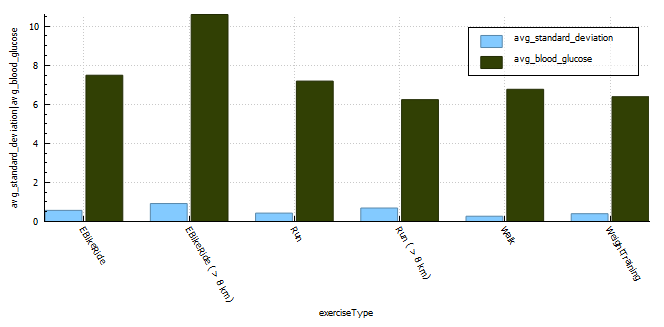
The exercise that resulted in the lowest blood glucose fluctuations is walking with a CV of 4%. The exercise with the second lowest CS was weight training. I generally try to train with a little insulin-on-board to counteract the hormones released during training and I don’t need to set a high temp target in the lead-up to the activity, thus my reading is much lower at exercise commencement. The third lowest is short runs (< 8km) with CV of 6%. The higher blood glucose average will be a direct result of me setting a higher temp target (8 mmol/l) prior to exercising, but the duration of activity isn’t long enough to reduce the blood glucose substantially resulting in the high average. Long runs seem to result in the least stable blood glucose values with a CV of 12% but the average for long runs is lower as the sustained activity reduces blood glucose. I suppose on these longer runs I do consume a minimum of 30g of ultra-fast acting carbs (glucose, dextrose) which is going to result in some fluctuations in blood glucose.

With coefficient of the variation (CV) a lower percentage is indicative of more stable blood glucose readings.

exercise typeexercise countaverage standard deviationaverage blood glucoseaverage coefficient of the variation (CV)
EBikeRide70.577.498%
EBikeRide ( > 8 km)160.9210.69%
Run1080.437.196%
Run ( > 8 km)180.696.2411%
Walk480.276.774%
WeightTraining650.46.396%
Exercise breakdown for 2022

Insulin sensitivity

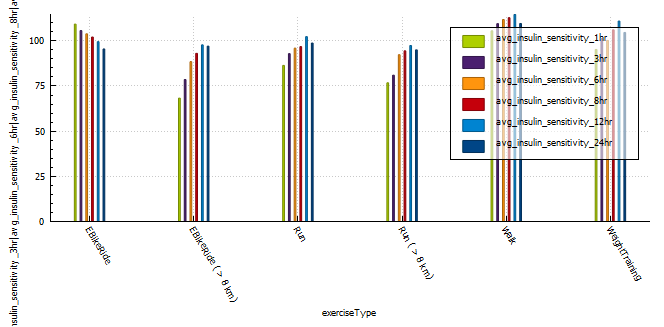
A very interesting observation was that longer, more intense activity resulted in sensitivity returning to normal quicker than less intense or shorter activity. Runs shorter than 8km resulted in a massive 12% insulin reduction for 24 hours post activity, that’s around 6.5 units less insulin in a 24 hour period. Long E-Bike rides resulted in the largest increase (35%) in sensitivity 1 hour post activity, with shorter E-Bike rides the second largest increase in sensitivity. Runs longer than 8 km increased sensitivity (25%) the third most, but the body seemed to return to normal more quickly than the shorter runs and was almost back to normal within 12 hours of activity.

(NOTE: I can’t comment on the validity of the results, only that patterns exist after exercise that are not usually observed in the absence of aforementioned exercise.)

average insulin sensitivity
exercise typeexercise count1 hr post exercise3 hr post exercise6 hr post exercise8 hr post exercise12 hr post exercise24 hr post exercise
EBikeRide71091051031029995
EBikeRide ( > 8 km)16687888939779
Run1088692959610298
Run ( > 8 km)18768092949794
Walk48105109111112114109
WeightTraining6595101100106110104
Average insulin sensitivity for multiple time blocks post exercise grouped by exercise type.

Profile Adjustments vs. Temporary Targets (TT)

In the past I used a combination of a 30% reduction in profile and a temporary target of 7 mmol/l while exercising.

This seemed to work quite well, with the caveat that profile adjustments can result in your autosens data being reset if you cancel the adjustment earlier than set.

One way to combat this is to set a higher temp target, this will not effect sensitivity data and can be cancelled at any time without needing to update the basal insulin profile in the pump of effecting autosense data. In order to do this I analysed the adjustments I was using to calculate a temp target that should reduce my insulin enough to keep me in range for the duration of activity.

TargetTemp_TargetInsulin % reducedActual % of profile30% Reduction20% ReductionNote
5.3851%49%This resulted in quite a few low blood sugars
5.38.560%40%2023 backup temp target strategy
5.38.357%43%2023 temp target strategy.
5.37.542%58%28.5%38.5%
5.57.027%73%42.7%52.7%Strategy in early in 2022

Thank you for reading 🙂

Omnipod Dash

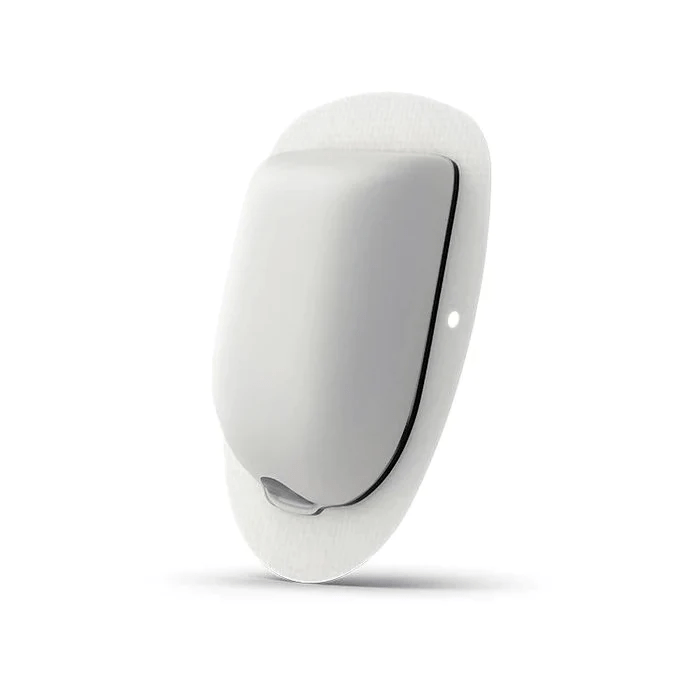
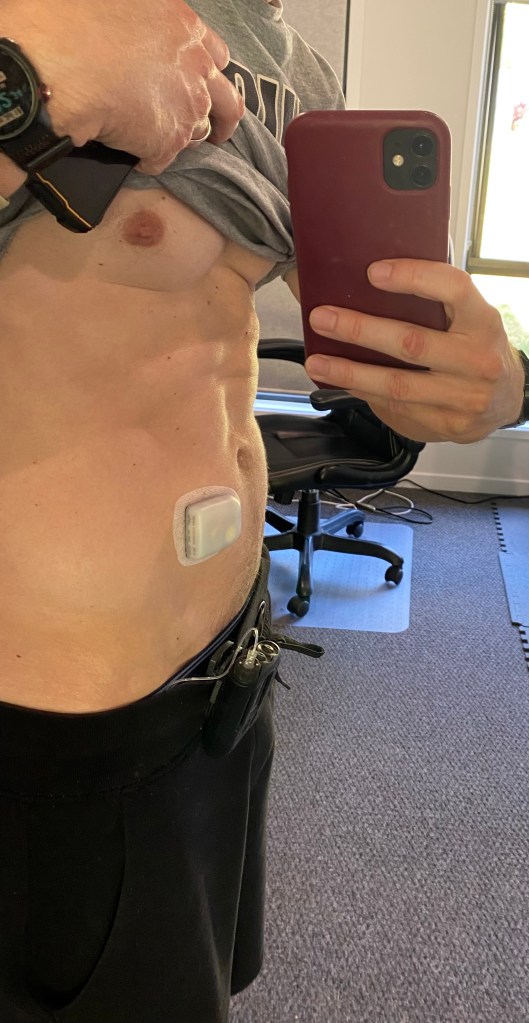
I decided to purchase the Omnipod Dash trial pack of 10 pods for $30 AUD to see what all the hype was about. It turns out the hype is warranted, as this is an incredible little system. I’m very excited to use the device under a multitude of conditions and I hope that my experience can be informative. My main testing criteria will be connectivity, recovery in the unlikely event a Pod is damaged, robustness during various activity, water resistance and general day-to-day activity including time with my two year old daughter.

Benefits

The pump system operates much the same as any other pump system available, with the main difference being that the pump and cannula are all part of the same physical unit. This is a huge advantage for sports, but can be noticeable while changing clothes, going to the toilet or during sexy time. The unit is so small its presence is barely noticeable.

Omnipod Dash.

Sugar Management stats (So far)

I am very pleased (and surprised to be honest) that I am using 28% less insulin on the Pods with improved (+9.3%) blood sugar control (Time in Range 3.9-7.8 mmol/l). I noticed far fewer super micro boluses (SMBs) being administered than before, but maybe that is due to me letting AAPS do more of the work in managing my sugars through unannounced meals (UAM).

Management Stats from Nightscout for the duration of the experiment so far. TIR = 3.9-7.8 mmol/l
Total daily dose (TDD) and carbs average for the duration of the experiment.

Note: I am not adding in all the carbs I am eating as I am using announced meals in AAPS.

The Ambulatory Glucose Profile (AGP) enables retrospective analysis of dense data, trends and
patterns for the duration of the experiment.
Management Stats from Nightscout for the week prior to the experiment so far. TIR = 3.9-7.8 mmol/l
Total daily dose (TDD) and carbs average for the week prior to the experiment.
The Ambulatory Glucose Profile (AGP) enables retrospective analysis of dense data, trends and
patterns for the week prior to the experiment.
Management Stats from Nightscout for the duration of the experiment so far. TIR = 3.9-10 mmol/l
Screenshot from AAPS highlighting the SMB’s.

Android APS Setup

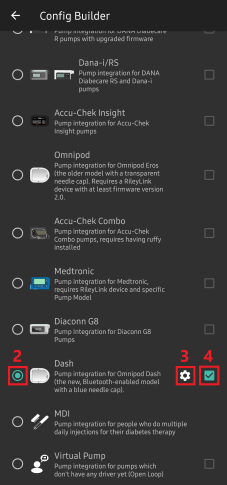
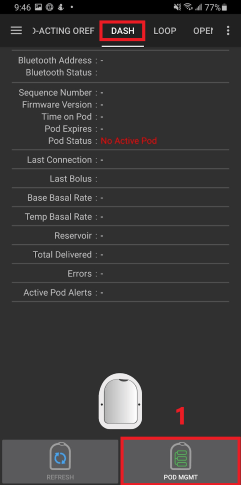
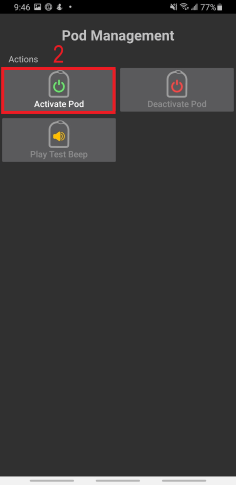
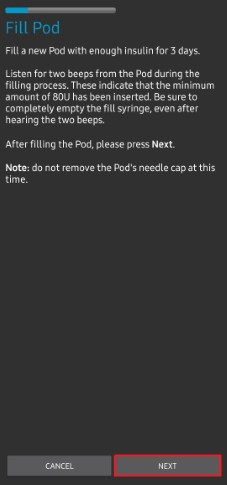
Setup of the Pod system in Android APS (AAPS) Boost Master 3.6.4 was surprisingly easy and intuitive. I just followed the Prompts after going to the configuration builder and selecting Dash as the pump.Its a very similar process for Eros pods, with the added requirement to pair the OrangeLink / RileyLink device.

Setup Instructions

Installed Pod

Installed Pod
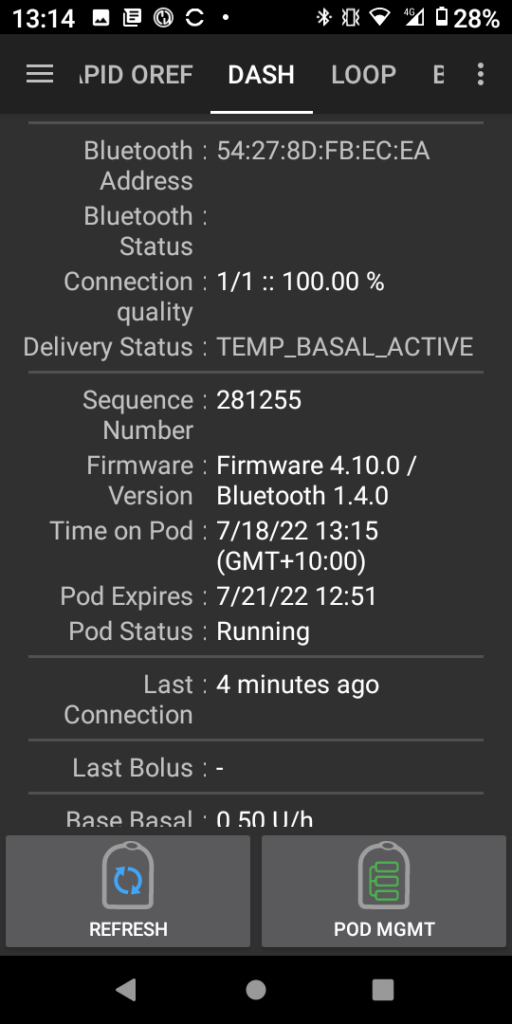
Dash page within AAPS
Dash page within AAPS.

Errors

I had an error starting the pod, but after hitting retry multiple times the pod activated and all was working as expected

Exercise

Exercise has been a lot more enjoyable without all the wires and having to worry about pump placement or damage. If I mountain bike and fall off (which happens every now and again) I lose one pod, and not an entire pump. Having more pocket space and less to carry is an added benefit.

Whats next?

I plan to test the pod while resistance training, mountain biking, running and the most intense sport I play, wrangling my two year old. If she cant destroy them, they are indestructible 🙂